Sustainability
  • Progress
  • Built Together

    Built Together is Amazon's investment framework for communities where we operate data centers across the United States.

    Explore

    • Built Together
    • Climate Solutions
      • Climate Solutions
      • Carbon-Free Energy
      • Transportation
      • Buildings
    • Waste & Circularity
      • Waste & Circularity
      • Packaging Innovation
      • Recycle Your Amazon Packaging
    • Natural Resources
      • Natural Resources
      • Water Stewardship
      • Biodiversity
      • Nature in Communities
    • Human Rights
      • Human Rights
      • Human Rights Principles
      • Supply Chain
    • Products & Services
      • Products & Services
      • AWS Cloud
      • Amazon Devices
    • People

      • Customers
      • Employees
      • Communities
    • For Businesses

      • Sustainability Exchange opens in a new tab
      • The Climate Pledge opens in a new tab
      • Sustainability Solutions Hub opens in a new tab
      • AWS Sustainability opens in a new tab
      • Sustainability Accelerator Climate Tech
      • Sustainability Deep Tech Accelerator
    • For Customers
      • For Customers
      • Recycle Your Amazon Packaging
      • Climate Pledge Friendly opens in a new tab
      • Pre-Owned Products opens in a new tab
      • Repair Electronics opens in a new tab
      • Recycle & Trade-In Electronics opens in a new tab
    • Sustainability Reports
      • Sustainability Reports
      • 2025 Sustainability Report New
      • 2024 Sustainability Report
      • 2023 Sustainability Report opens in a new tab
      • 2022 Sustainability Report opens in a new tab
      • All reports
    • Popular Downloads

      • Carbon Methodology
      • Renewable Energy Methodology
      • Supply Chain Standards
      • All Downloads
  • 2025 Sustainability Report New

    Modern industrial warehouse with two-tone facade, blue canopy over loading docks, delivery vehicles, trees, and reflecting pond in foreground.

    Explore

    • Sustainability Reports

      • 2025 Sustainability Report New
      • 2024 Sustainability Report
      • 2023 Sustainability Report opens in a new tab
      • 2022 Sustainability Report opens in a new tab
      • All Reports
    • Sustainability Reports

      • 2025 Sustainability Report New
      • 2024 Sustainability Report
      • 2023 Sustainability Report opens in a new tab
      • 2022 Sustainability Report opens in a new tab
      • All Reports
  • Global Action
  • Stories
Sustainability
Back to all stories

Water stewardship in action: Becoming water positive in India

  • Nov 11, 2026
  • 3 min
  • 🇮🇳 India

Water

Measuring well water levels as part of a groundwater recharge project in Mumbai’s Vaitarna River watershed.

Water stewardship in action: Becoming water positive in India

  • Marlies Michielssen

    Senior Water Stewardship Manager, Amazon

Share this article

We’re taking action to address water scarcity, access, and quality across the country.

Amazon has been working in India since 2013, and today, we operate one of the largest fulfilment and delivery networks in the country, serving customers in every postal code. We're also the largest foreign investor in India, with plans to invest $88 billion in the country through 2030. As we grow there, we’re committed to being a good water steward by supporting conservation and replenishment efforts.

At the Amazon India Sustainability Summit in 2024, Kara Hurst, Amazon’s chief sustainability officer, announced our goal to return more water to communities in India than we use in our direct operations—including corporate offices, data centers, and fulfillment centers—by 2027. 

We achieved that goal in 2025 by returning 120% of the water we used that year. Here’s how.


Reducing and reusing water at our facilities

Amazon has implemented conservation measures to improve water efficiency and reduce reliance on potable resources. That includes low-flow fixtures and smart water meters that monitor usage, identify leaks early, and enable rapid repairs. We’ve also introduced more water-efficient ways to clean package-handling totes and support water circularity by capturing condensate from air handling units, helping to reduce baseline consumption across our logistics network.

And we’re increasing the reuse of treated water for non-potable applications. At 27 logistics locations, on-site sewage treatment plants recycle greywater for toilet flushing, irrigation, and more, saving around 300 million liters of water annually. Meanwhile, on-site rainwater-harvesting systems collected approximately 178 million liters of water across India in 2025, supporting groundwater recharge efforts.


Replenishing water in communities

Water stewardship extends beyond Amazon’s facilities. By investing in projects that address local water needs, we’re helping contribute to healthier watersheds.

That means working with local organizations on 12 water replenishment projects across India, in the Bengaluru, Chennai, Delhi, Hyderabad, Mumbai, and Pune regions. The projects involve lake restoration, groundwater recharge, rainwater harvesting, wastewater treatment, and irrigation efficiency. Together, they’re expected to replenish more than 4 billion liters of water annually once fully operational. 

This work has reached several recent milestones.


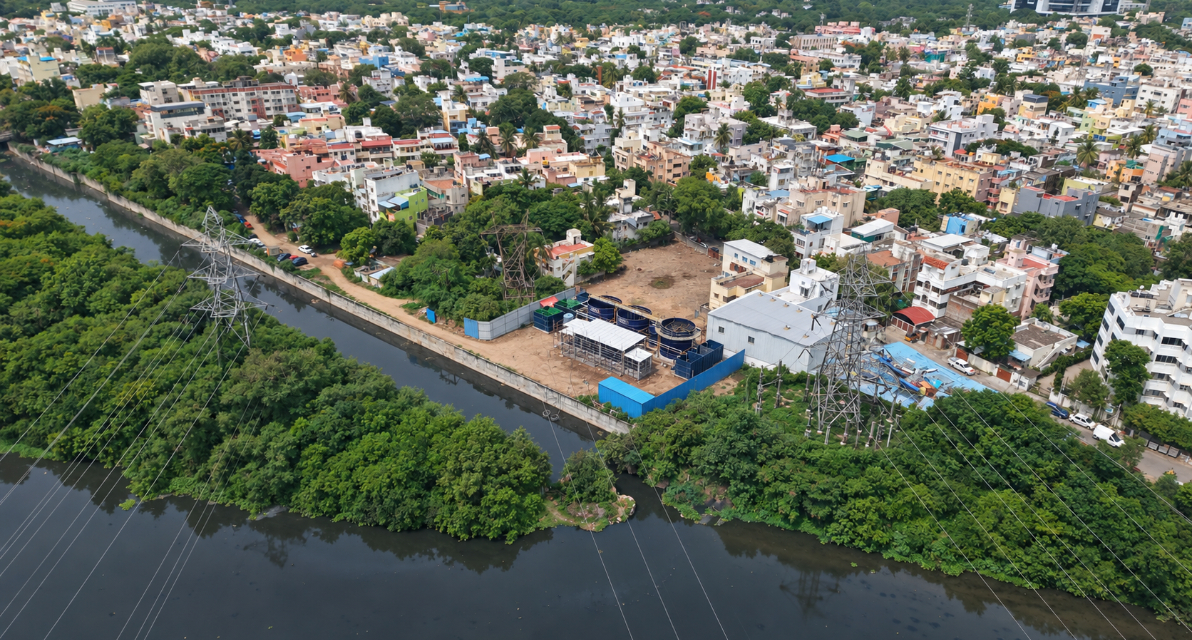
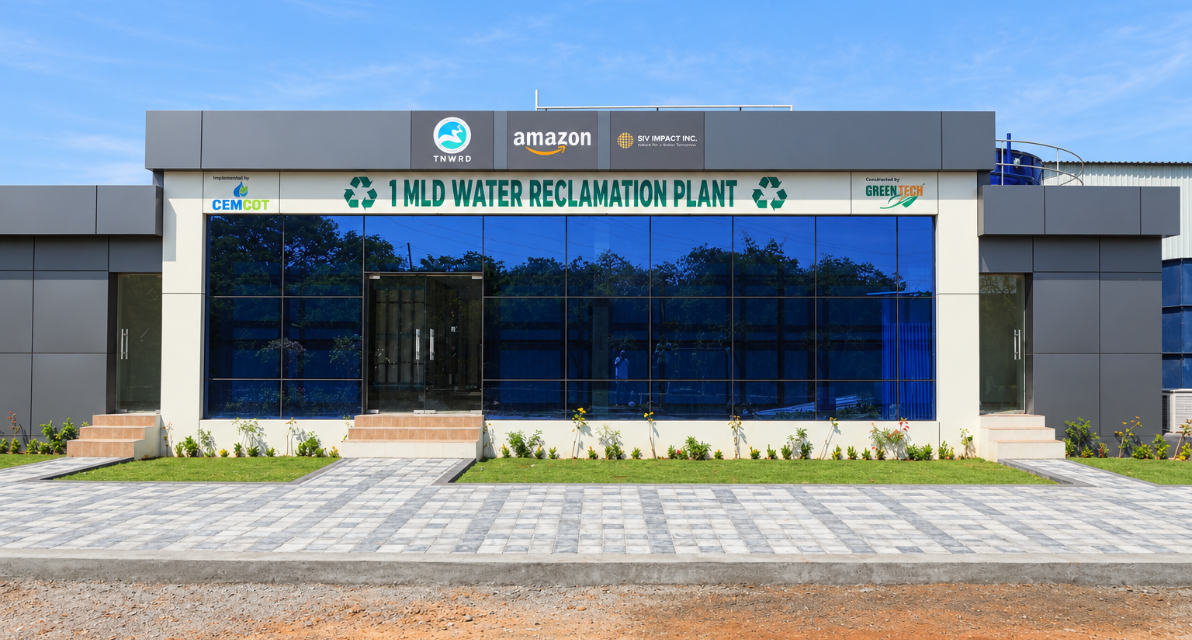
In Chennai, SIV Impact constructed a modular sewage treatment plant along the Buckingham Canal to capture wastewater that previously flowed into the Adyar River without treatment. The plant started operating in September and aims to treat at least 200 million liters of sewage annually. The facility recovers water for groundwater recharge and non-potable reuse, reducing river pollution while making more treated water available for the community.
Displaying 1 of 2

1 2

The sewage treatment plant under construction where Buckingham Canal converges with the Adyar River.

The front of the plant, which was funded by Amazon and implemented by SIV Impact, TNWRD, CEMCOT, and Green Tech.

Displaying 1 of 2

1 2

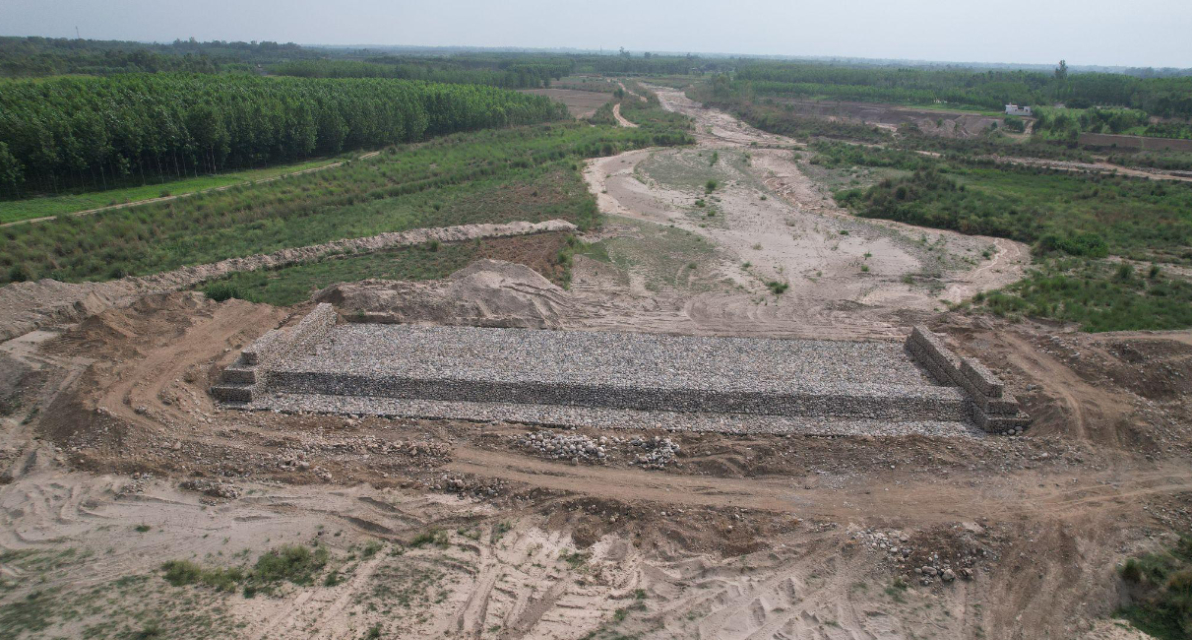
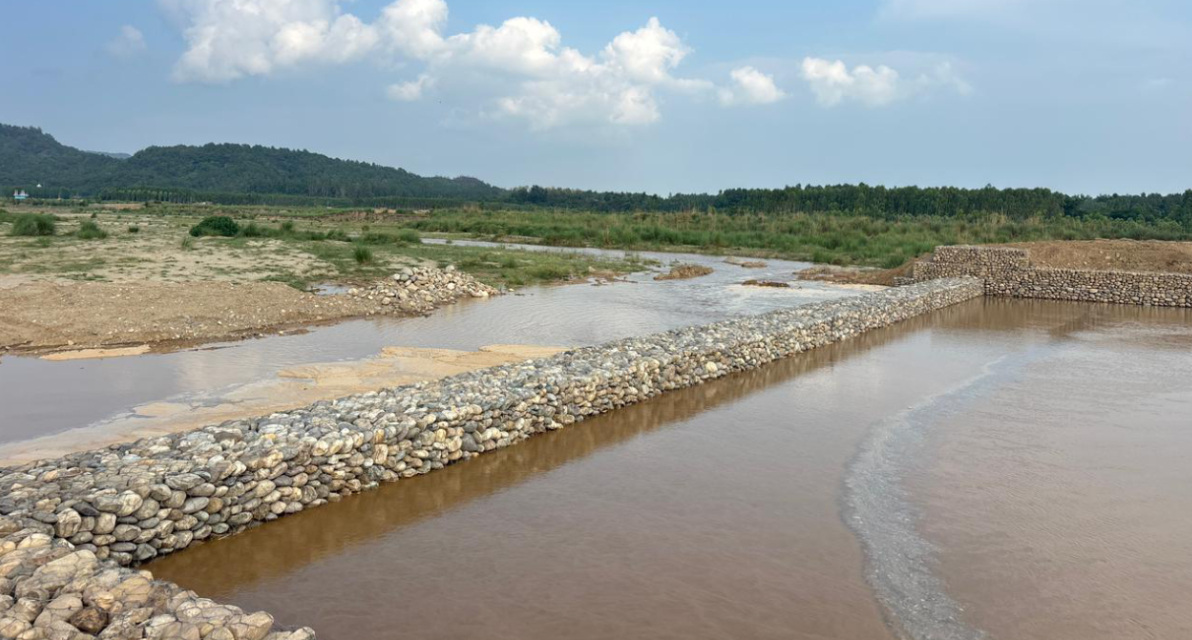
Upstream of Delhi, Hasten Regeneration, in collaboration with Arpan Seva Sansthan and Clear Water Dynamics, completed initial construction on a groundwater recharge project in the Yamuna River watershed designed to replenish 400 million liters of water annually. The project includes two gabion check dams, which are rock-filled wire-mesh structures designed to slow monsoon runoff and allow water to soak into the ground. Recharge shafts—vertical boreholes channeling surface water into deeper soil layers that will further increase infiltration of excess monsoon flows—are scheduled for installation in December.

Displaying 1 of 2

1 2

A gabion check dam ready for the monsoon season.

The gabion check dam holds and slows water after rainfall, with water pooling behind the structure and recharging the underlying aquifer.

Displaying 1 of 2

1 2

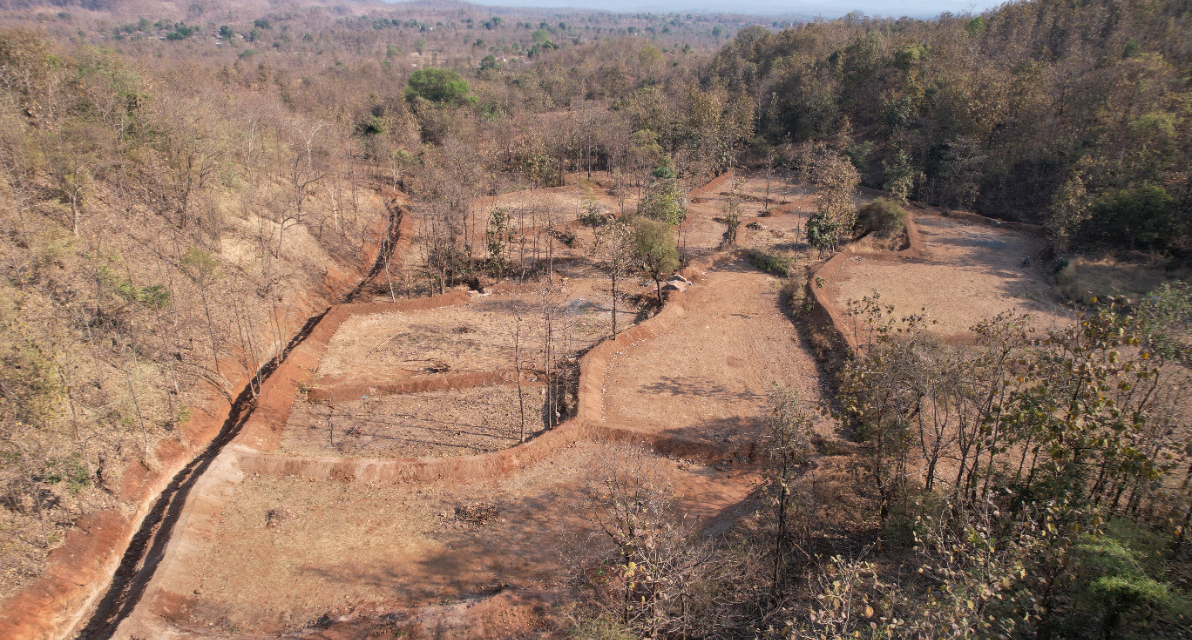
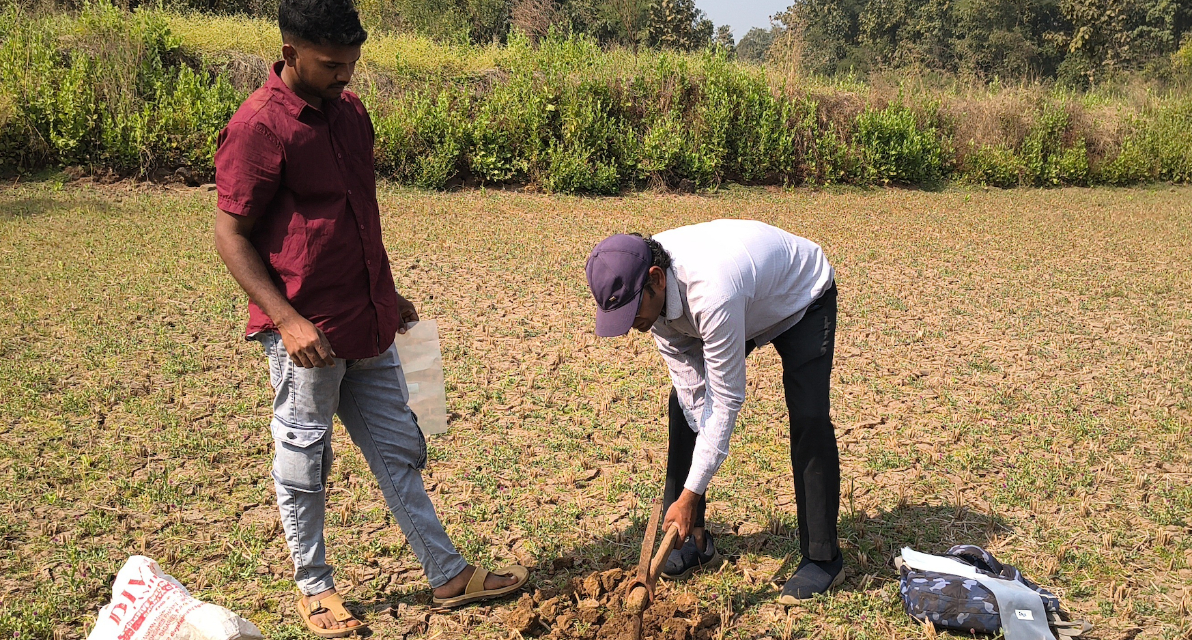
Upstream of Mumbai, the International Crops Research Institute for the Semi-Arid Tropics is implementing a groundwater recharge and agricultural resilience project spanning 1,500 hectares across six villages in the Vaitarna River watershed. The team built low earthen walls around farm fields to slow rainwater and reduce soil erosion, and nearly 100 overflow channels to safely route excess water toward ponds and rainwater harvesting tanks. The team will next build additional ponds, tanks, and drainage channels to further reduce runoff, improve soil moisture and groundwater recharge, and strengthen crop productivity for farming communities. The project is expected to replenish 1.3 billion liters of water annually by 2027.

Displaying 1 of 2

1 2

Farm fields lined with low earthen walls designed to slow rainwater, reduce runoff, and minimize soil erosion.

Team members collect soil samples as part of the project’s field assessment.

Displaying 1 of 2

1 2

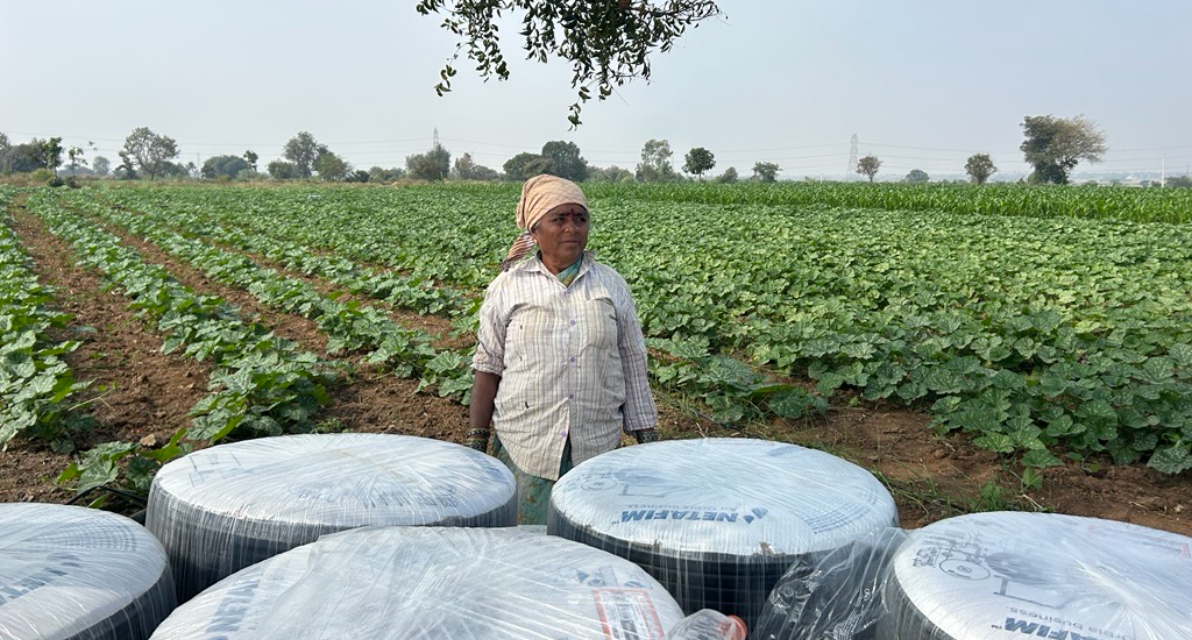
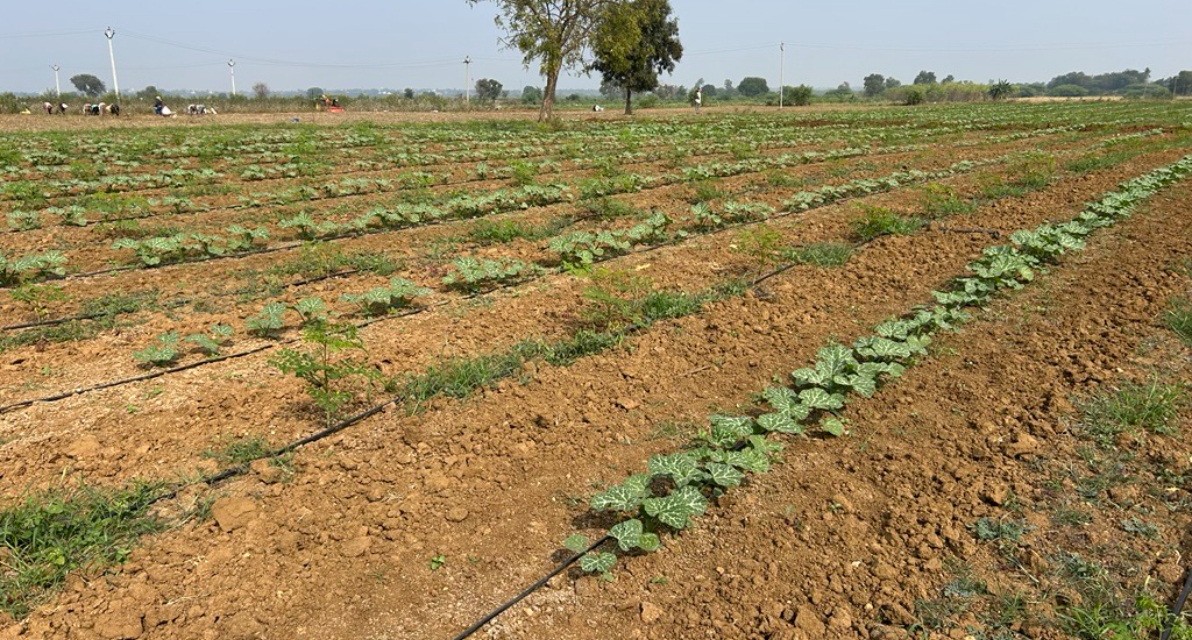
In Hyderabad's northern agricultural belt, Netafim implemented precision drip irrigation infrastructure across 40 hectares of farmland, enabling 40 families to transition from flood irrigation to a system that delivers water and nutrients directly to crop roots. The project is expected to save 150 million liters of water annually. By delivering water and nutrients more precisely, the system can also help growers use fertilizer more efficiently and reduce electricity consumption for pumping. Together, more efficient water, fertilizer, and electricity use helps growers lower input costs and improve farm productivity.

Displaying 1 of 2

1 2

Packaged drip irrigation lines ready for installation in farm fields.

Crops grow along the newly installed drip irrigation lines.

Displaying 1 of 2

1 2

Learn more about our water stewardship efforts in India and around the world.


Sign up for our monthly newsletter to get Amazon sustainability updates sent directly to your inbox.

Related stories

  • Water

    Mar 17, 2026 5 min 🌎 Global

    Protecting water resources

  • Water winds through a landscape.

    Water

    Aug 11, 2025 3 min 🇪🇸 Spain

    Water stewardship in action: turning runoff into a resource in Spain

  • Three people stand smiling in front of a green graphic background.

    Water

    Feb 26, 2026 3 min 🌎 Global

    These Amazon employees are using technology to help save water

1 of 3

Article author image

Transcript

  • Human Rights & Environmental Complaints Procedure
  • Disclaimer
  • Sitemap
  • Newsletter Sign-Up opens in a new tab
  • The Climate Pledge opens in a new tab
  • About Amazon opens in a new tab
  • Amazon.com opens in a new tab
  • Investor Relations opens in a new tab
  • Press Center opens in a new tab
  • Privacy Notice opens in a new tab
  • Conditions of Use opens in a new tab
  • Sustainability News opens in a new tab
  • Sustainability Jobs opens in a new tab
  • Follow on LinkedIn opens in a new tab

© 1996-2026 Amazon.com, Inc. or its affiliates

Sustainability

© 1996-2026 Amazon.com, Inc. or its affiliates