Biodiversity

Biodiversity is declining globally due to land use change, direct exploitation, climate change, pollution, and the proliferation of invasive species. Since 1970, global wildlife populations have dropped by an average of 73%, signaling severe stress on the natural systems that support life. Amazon recognizes the critical importance of biodiversity to the health of the planet, communities, and our business.

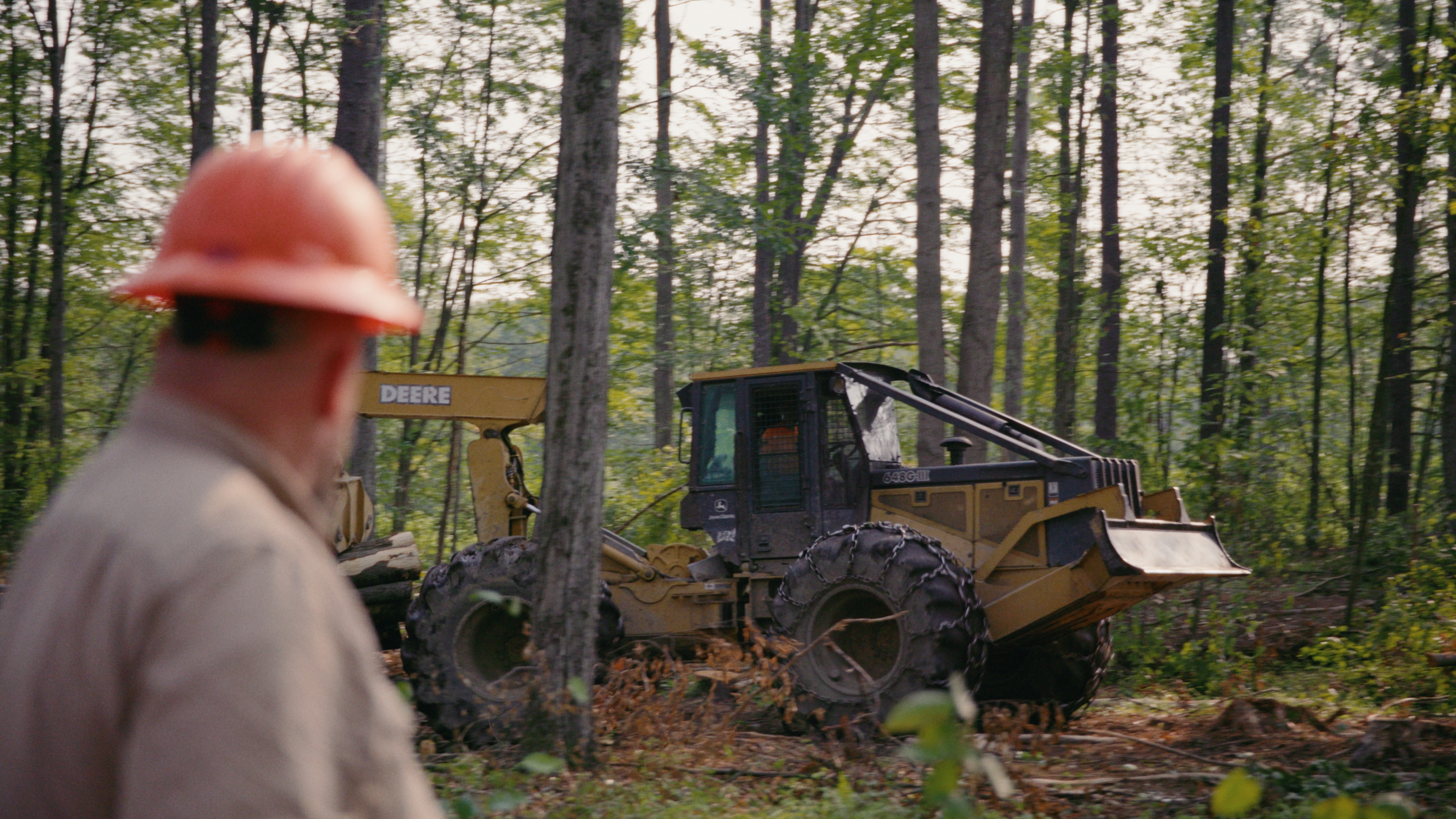
A forest with verdant shrubs covering the forest floor.

Progress

50 Amazon building sites across Europe, the U.S., and India, where habitat conditions and site designs are being evaluated to help avoid and minimize habitat loss

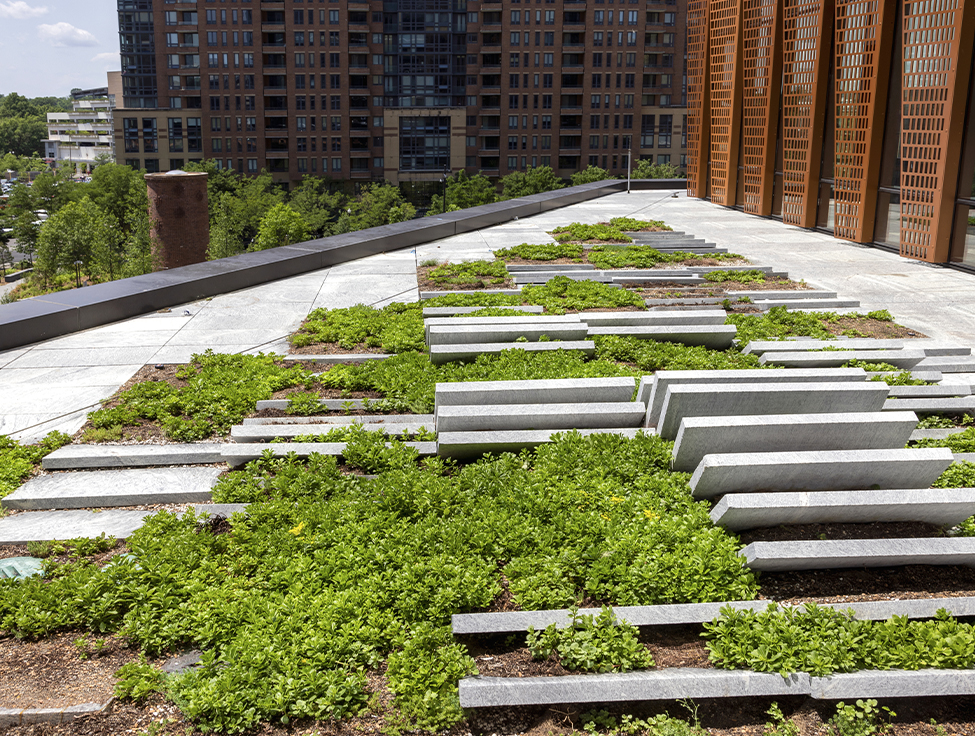
Greenery on the roof of a building.

$67.4M disbursed to nature conservation projects across the world through the Right Now Climate Fund through 2024

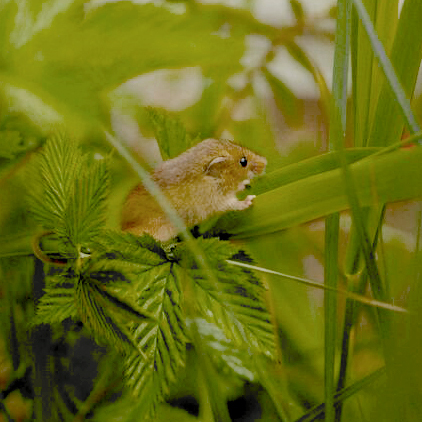
A mouse crawling up the stem of a plant.

49K hectares of land protected or restored through biodiversity and nature-related contributions and investments over the past five years

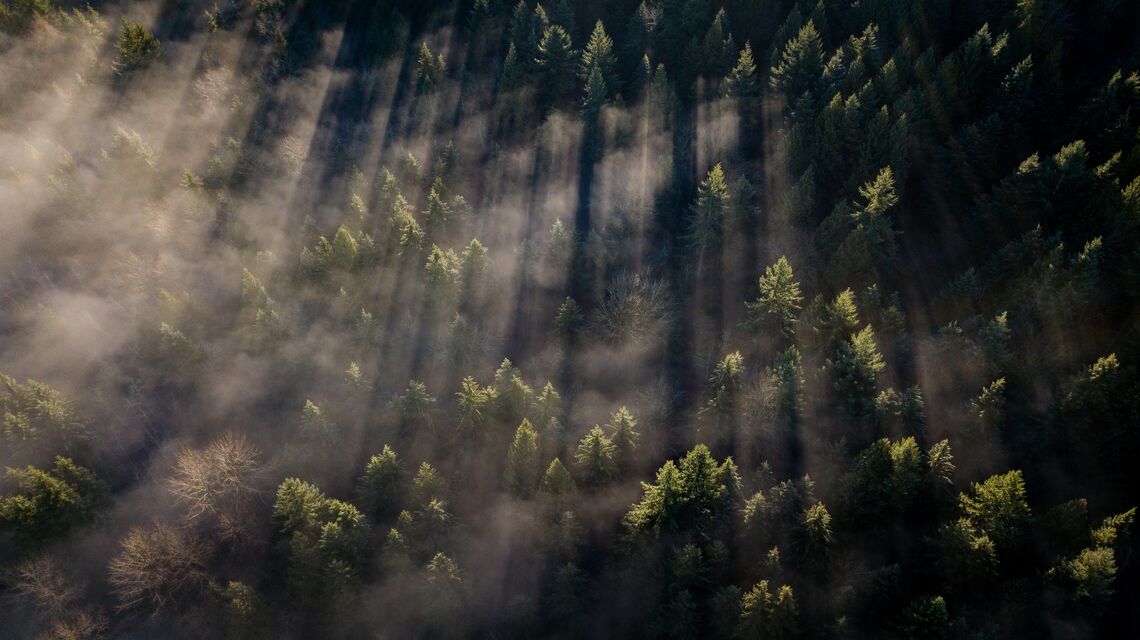
A misty forest with low cloud cover.

Our approach

Amazon’s approach to biodiversity follows a mitigation hierarchy that prioritizes avoidance and reduction of habitat loss above other actions.

We are focusing on three areas to help minimize land use change within our own operations and enhance biodiversity beyond our business activities: 

  • Buildings where we operate: We seek to avoid and minimize biodiversity loss related to the siting, construction, and operations of the buildings that support our businesses. We are beginning to measure habitat value at building sites and develop design standards that prioritize biodiversity enhancement. 
  • Commodities in our supply chain: We aim to reduce deforestation and responsibly source agricultural and mineral commodities for our own products and delivery packaging. 
  • Beyond our value chain: We contribute to nature conservation and restoration through collaborative investments between private and public entities, especially in regions with sensitive ecosystems.
Whole Foods Market

Biodiversity plays a crucial role in creating a robust and enduring food system. Ecosystems rich in diverse species contribute to improved soil conditions, efficient nutrient circulation, and increased crop yields.
Whole Foods Market supports pollinator health through its Pollinator Health Policy for fresh produce and floral and its longstanding commitment to organic agriculture. In 2024 over 60% of all fresh produce sold at Whole Foods Market was organic. In recognition of its ongoing work, Whole Foods Market was 2024’s top-ranked retailer on Friends of the Earth’s Bee Friendly Retailer Scorecard.

Wilding American farmland

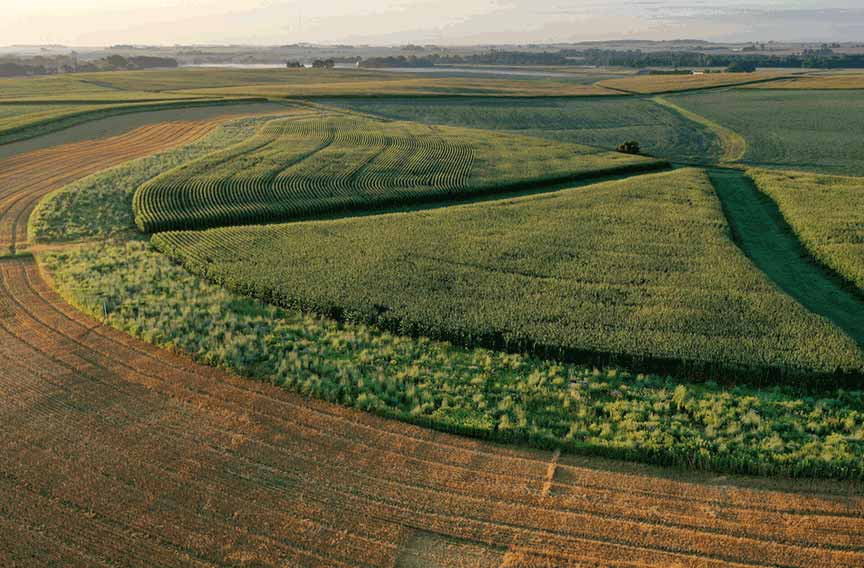
Whole Foods Market joined Mad Agriculture’s Wilding initiative in 2024. This effort supports the strategic integration of native perennial vegetation planted in and around agricultural fields to enhance farm viability, protect pollinators, improve soil health, and support water retention.


In 2025, Whole Foods Market and Mad Agriculture invited mission-driven brands and food-system stakeholders to help restore biodiversity and regenerate farmland across the U.S. by building a 1,000-acre highway of interconnected, climate-resilient habitats—known as Biodiversity Highways—that can restore biodiversity, improve soil and water health, and strengthen the long-term resilience of the food system. Whole Foods Market matched contributions 1:1 up to $500,000 across all Founding Members and the program surpassed its goal of mobilizing $1 million. 

Learn more , opens in a new tab

Supporting nature in communities

In 2019, Amazon created the Right Now Climate Fund, a $100 million fund that supports nature conservation and climate resilience in communities around the world. From 2019 to 2024, we disbursed $67.4 million to finance 19 projects across 14 countries, protecting and restoring 49,000 hectares of land area.

Explore global highlights

World map
A close up of rings on a tree trunk.

Germany

In 2024, Amazon provided €1 million in support of the KARUNA social cooperative’s Tiny Forests project, which aims to enhance Berlin's climate resilience through urban forest creation. The project seeks to plant 20 “tiny forests” (each the size of a tennis court) consisting of native plants that can absorb rainwater and reduce the risks of flooding, heat waves, and water scarcity while also providing educational opportunities and enhancing biodiversity.

Read more on Amazon News , opens in a new tab

Netherlands

Since 2023, Amazon donated €2 million to a consortium of partners headed by North Sea Farmers to fund the world's first commercial-scale seaweed farm located between offshore wind turbines. Seaweed has the potential to help address climate change by absorbing CO2 as it grows, and could enhance biodiversity. The project, North Sea Farm 1, is located in a wind farm off the coast of the Netherlands and is designed to test and improve methods of seaweed farming while researching the potential of seaweed to sequester carbon.

Read more on Amazon News , opens in a new tab
A tree provides shade over a small pond with a duck in the water.

United Kingdom

In October 2022, we committed £2.8 million to two UK programs: The Woodland Trust's Emergency Tree Fund and the Rewild London Fund led by the Mayor of London. Both initiatives aim to enhance biodiversity and improve access to nature through tree-planting, while creating jobs and volunteering opportunities. Together, the programs are planting over 450,000 trees and supporting 22 critical London rewilding projects, including reintroducing beavers back to London for the first time in 400 years.

Read more on Amazon News , opens in a new tab
A butterfly with colorful wings sits on top of pink flowers.

Ireland

Since 2023, Amazon donated nearly €3 million in funding to The Nature Trust. The Nature Trust is using the donation to rehabilitate 500 hectares of degraded Atlantic blanket bog in the west of Ireland and create Ireland’s first Peatland Standard. The aim of the work is to restore a functioning peatland habitat by creating the conditions for bog-forming mosses to grow. The Irish government's Climate Action Plan recignizes that restoring peatlands will deliver a range of climate benefits through reduced carbon emissions, long-term carbon storage, and enhanced resilience to the impacts of climate change. The new Peatland Standard will help farmers and other landowners prove the benefits of peatland restoration projects, including emission reductions, biodiversity, and water benefits.

Read more on Amazon News , opens in a new tab
A herd of cows, some standing and some laying, in a green pasture.

France

In 2022, Amazon committed €3 million of funding over a three-year period to the Fonds Nature 2050, created by CDC Biodiversité. The funding will support the preservation, restoration, and management of an estimated 600,000 square meters of habitat. The Fonds Nature 2050 is devoted to preserving and restoring biodiversity while mitigating the consequences of climate change, as well as improving ecosystems and territorial resilience.

Read more on Amazon News , opens in a new tab
A dirt path runs through a forest of tall pines and deciduous trees.

Italy

In 2021, we committed €2 million to support Parco Italia, an urban forestry program that aims to plant 22 million trees across 14 metropolitan areas in Italy. This translates to one tree planted per city resident. Amazon's support for this project will help cities become more resilient to climate change by increasing urban biodiversity, improving air quality, and promoting urban cooling.

Read more on Amazon News , opens in a new tab

Rocky mountains with trees and pointy peaks.

Spain

In 2024, we announced a €2.2 million grant to support Arco Verde in Madrid, a new 200-kilometer-long green walking and cycling route that will surround the city. Amazon will fund the construction of a 14-kilometer section of the route that will include pedestrian paths and cycle lanes, as well as restoring 16.7 hectares of habitat and planting more than 24,000 trees and bushes.

Read more on Amazon News , opens in a new tab
A group of children wearing green hats gather around and inspect a piece of cloth.

Spain

In 2023, Amazon launched the Green Helmets educational initiative with CIFAL Málaga-UNITAR (the United Nations Institute for Training and Research). The project is designed to teach young people in Spain how to develop and implement sustainability projects that contribute to the recovery and protection of nature, with judges selecting 10 projects to fund and develop in the region of Andalusia over the first 12 months. The project is the first of its kind in Spain, and started with a pilot program in collaboration with the Regional Government of Andalusia.

Read more on Amazon News , opens in a new tab
A birds eye view of a green field with many trees and mist.

Belgium

In 2024, we announced its first Right Now Climate Fund project in Belgium, providing €1.1 million funding for the establishment of the newest Belgian National Park, Brabantse Wouden. Brabantse Wouden is recognized by UNESCO for its ancient woodlands that have been unchanged since the Ice Age. This funding supports initiatives that enhance the climate resilience and biodiversity of the National Park's woodland as well as encouraging more of the local community to benefit from the Park's nature.

Read more on Amazon News , opens in a new tab

A tiger lolls on the ground, keeping a watchful eye on the surroundings.

India

In 2023, Amazon announced an initial $3 million investment into India-based projects. Amazon will partner with the Centre for Wildlife Studies (CWS) to plant 300,000 trees in the Western Ghats over three years, creating carbon sinks as well as enhancing livelihoods and wildlife conservation. Amazon will spend $1 million to help CWS establish the "Wild Carbon" program, which will support 10,000 farmers in planting and maintaining one million fruit-bearing, timber, and medicinal trees. Amazon's direct contribution will enable CWS to partner with 2,000 family farms to plant 300,000 trees.

Read more on Amazon News , opens in a new tab
A close up of a leaf.

India

In 2024, Amazon and ICLEI-Local Governments for Sustainability, South Asia, launched an extensive network of urban food gardens, built on India’s School Nutrition Garden Scheme, to improve nutrition for children in municipal schools in India. The $1 million initiative will set up a network of 75 urban food gardens in municipal schools across Bengaluru, Delhi, Hyderabad, and Kolkata and is expected to provide 15 million school meals over three years for children in need.

Read more on Amazon News , opens in a new tab
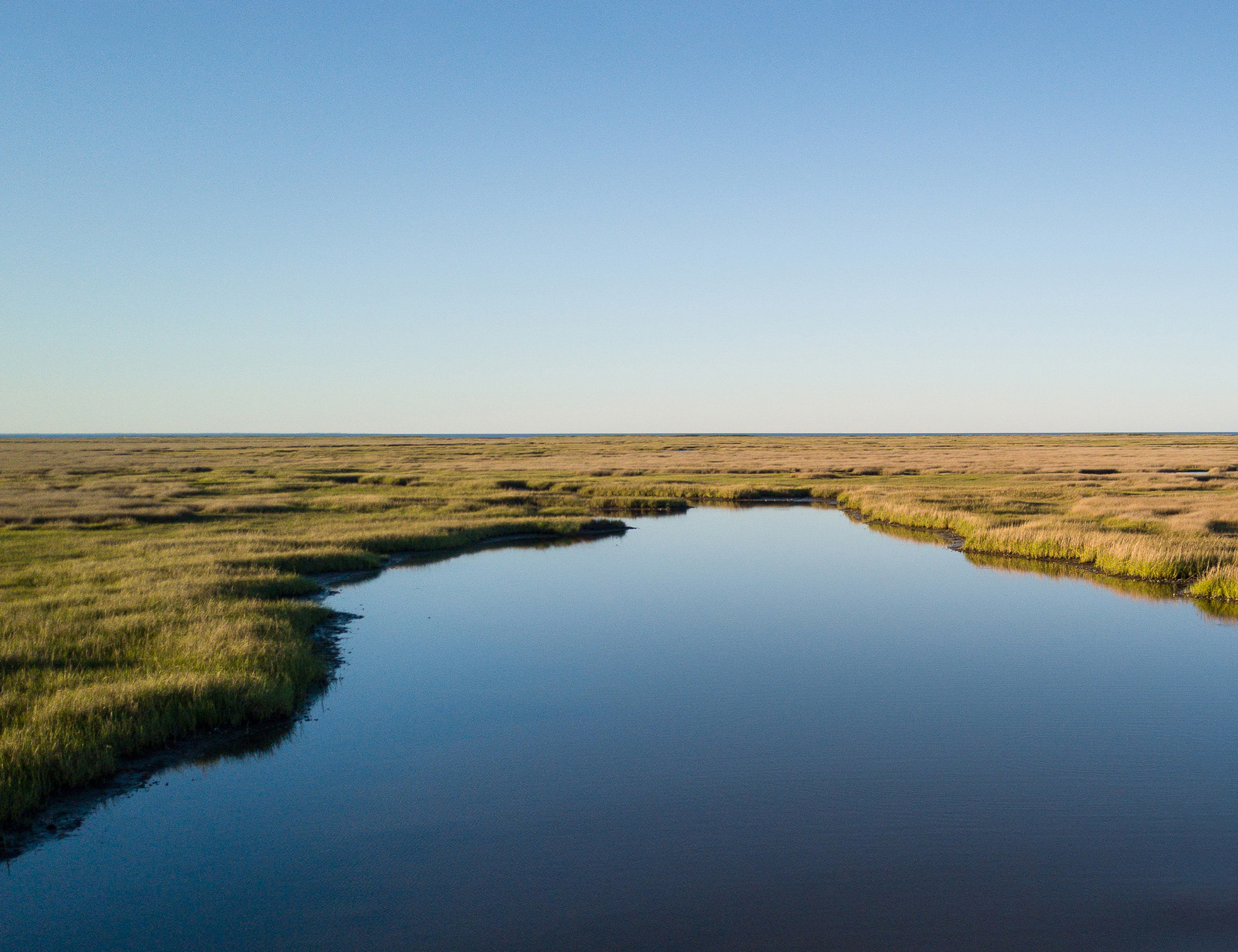
A photo of a body of water surrounded by grasses.

India

In 2025, Amazon contributed $1.2M to Hasten Regeneration to protect Mumbai's flamingo habitats. The initiative aims to remove 150 tons of plastic waste from the Thane Creek, plant 375,000 mangroves in Gujarat, and create employment opportunities for local women. 

Read more on Amazon News , opens in a new tab
Fall foliage with lush, green hillsides in the distance.

United States

In 2020, Amazon committed $10 million to support two programs in the U.S. in collaboration with the Nature Conservancy. The programs help family forest owners sequester carbon across the Appalachian region of the Eastern U.S., which has been identified as disproportionately important for conserving biodiversity and mitigating climate change. Amazon's grant supports efforts to expand the programs to new regions, develop a scientific approach to measuring regional carbon impact, and enhance carbon verification methodologies for these projects.

Read more on Amazon News , opens in a new tab

Learn more about how Amazon supports nature in communities and the Right Now Climate Fund

Learn more
Elephants walk through forested greenery.
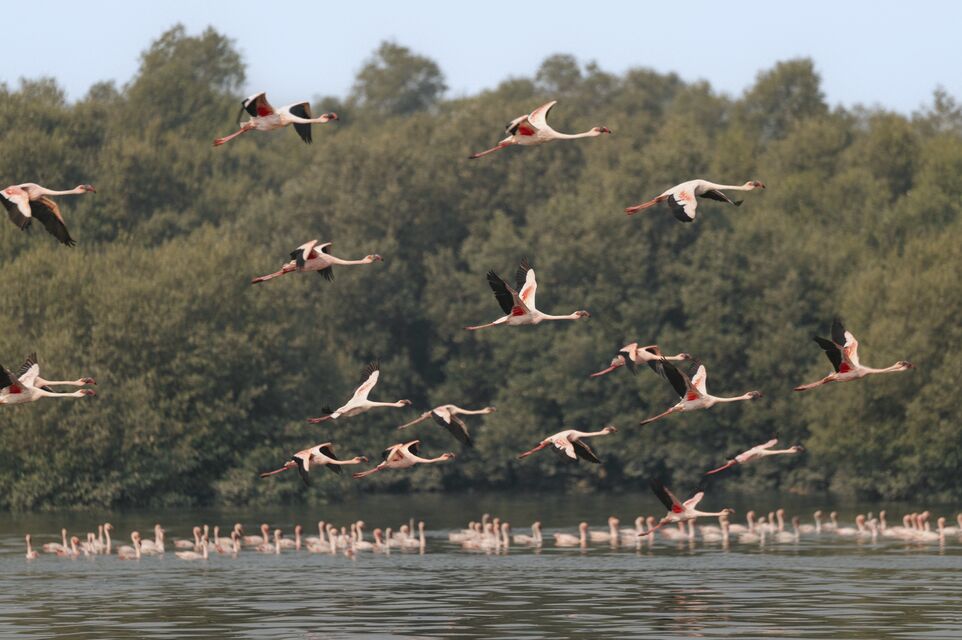
Flamingos flying over a waterway.

Discover the latest in biodiversity

1 of 3

Article author image

Transcript