Amazon Devices Climate Tech Accelerator
A uniquely designed program for companies at any stage to accelerate the integration of their technologies that can help reduce the carbon impact of Amazon devices.
Unlike other accelerators, this program breaks down traditional industry barriers and accelerates collaboration between climate tech innovators and enterprise decision-makers—helping streamline the path from validation to adoption opportunity.
Applications for the 2026 cohort are now closed. Want to be the first to know when the next program opens?
Accelerate your technology into Amazon devices
[01]
-
Work directly with Amazon Devices Sustainability leads to refine your final pitch and prepare for leadership review. Finalists present their solutions to Amazon Devices senior leadership, ensuring the right decision makers are in the room to assess opportunities for integration and scale.
-
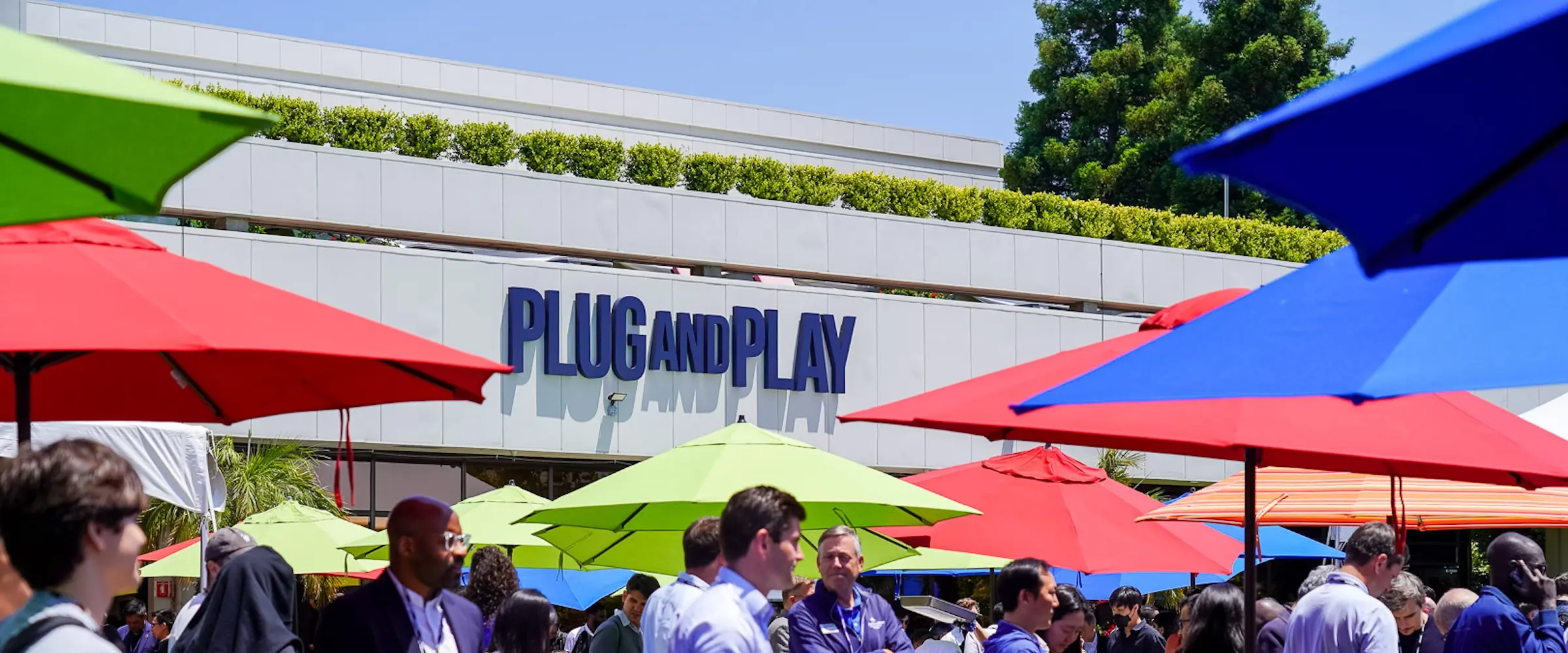
Collaborate with Plug and Play's venture team of engineering, sustainability, and manufacturing experts alongside Amazon experts to validate your technology and strengthen your integration proposal.
-
Receive dedicated program management, bi-weekly progress reviews, weekly cohort office hours, and at least five specialized workshops focused on technical integration and Amazon-specific processes.
-
Get hands-on support building your comprehensive Integration Assessment document, including technical analysis, cost/benefit evaluation, and commercial viability assessment—the foundation for your final pitch.
-
Harness the power of AWS technology, including infrastructure, data services, and leading AI and ML models. Eligible participants can receive up to $100,000 in credits to build, grow, and scale. Companies must meet eligibility criteria listed here.
-
Participate in the program without equity requirements. Amazon does not take equity stakes as a condition of program participation. If approved for integration, outcomes may include various commercial arrangements—from licensing and supply agreements to technology collaborations and investment opportunities—based on mutual fit and business objectives.
Focus areas



Displaying 1 of
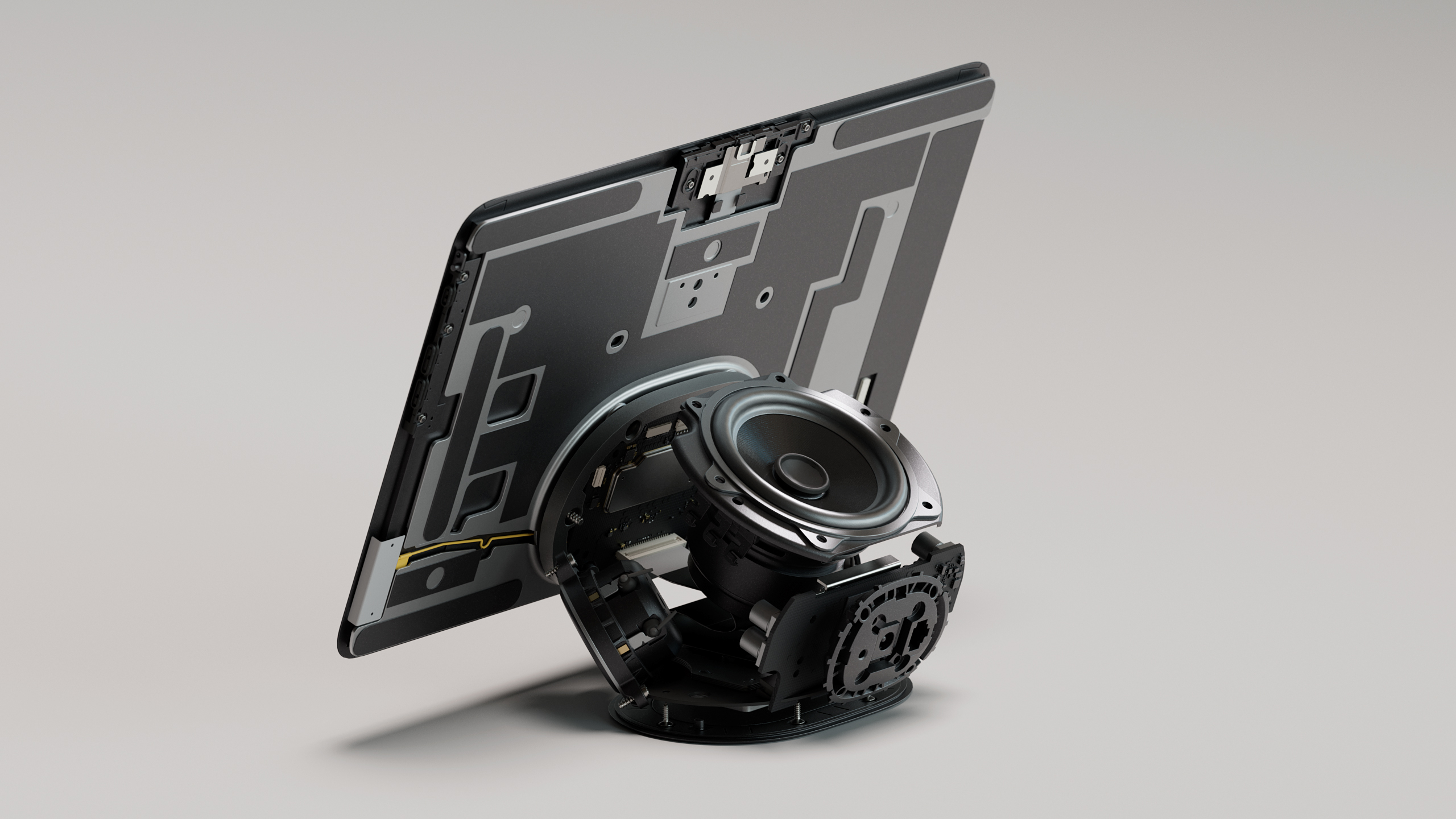
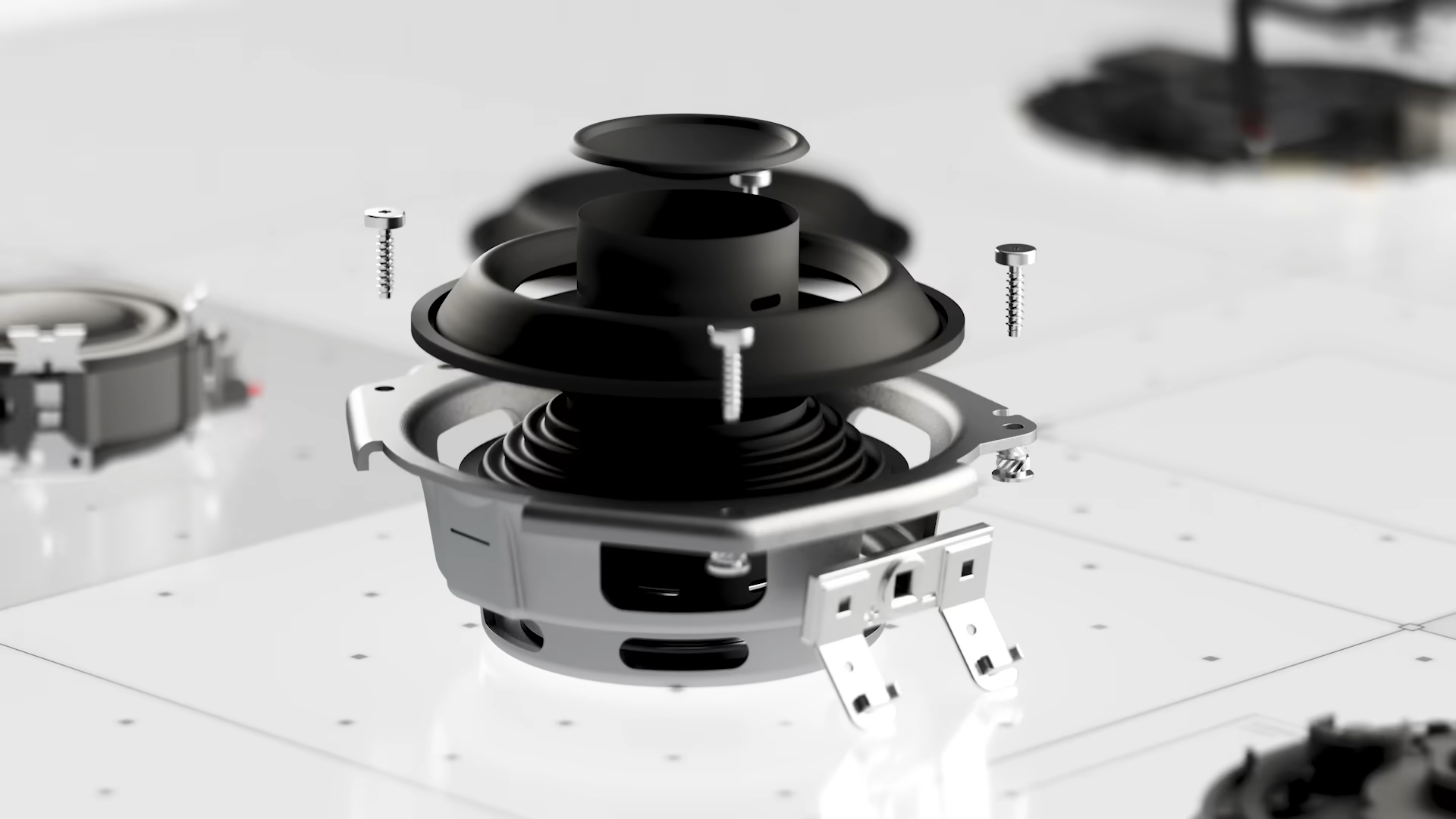
Displays
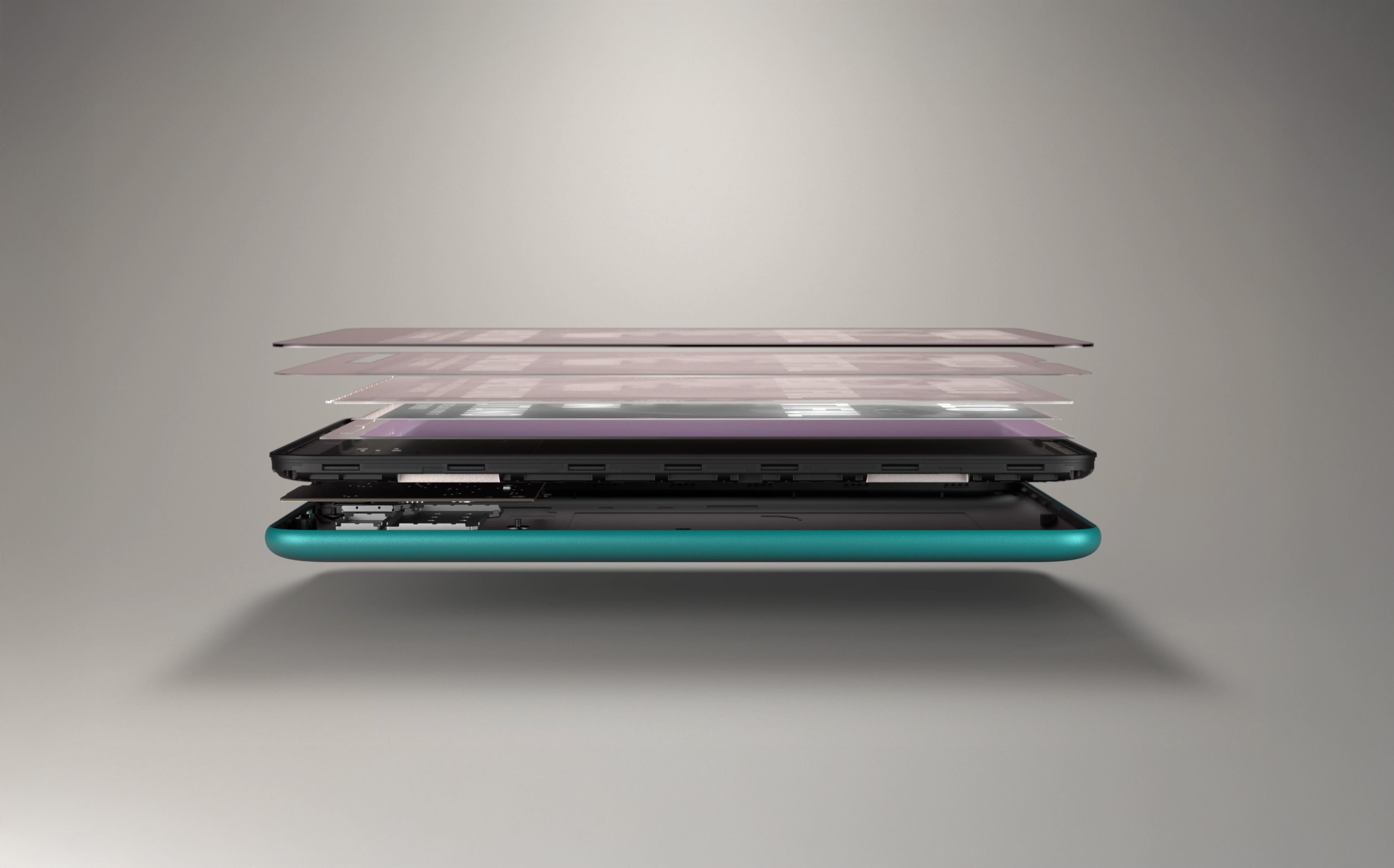
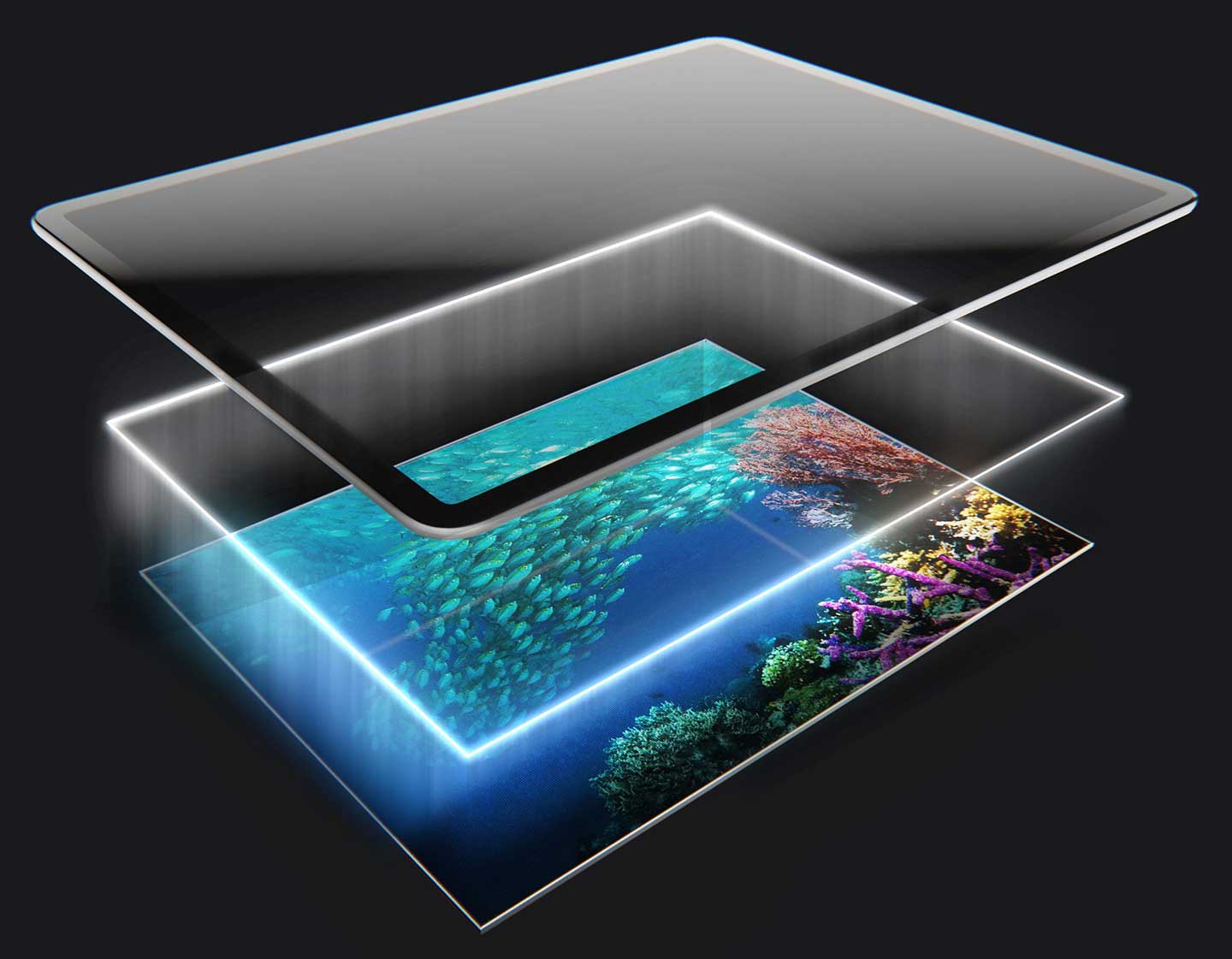
Innovations that can decarbonize displays or components that support them across initial design, manufacturing, customer usage, and recycling.
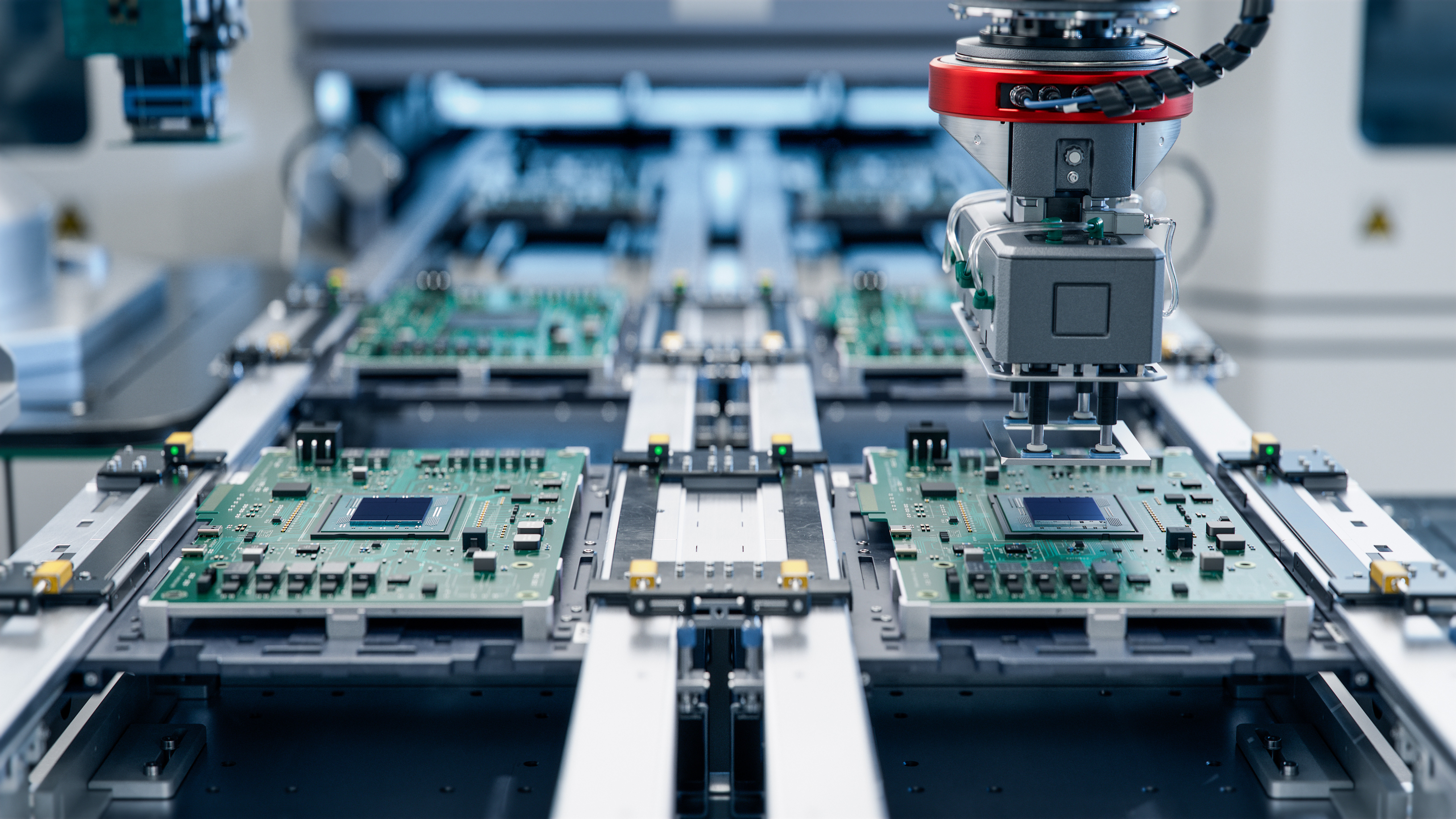
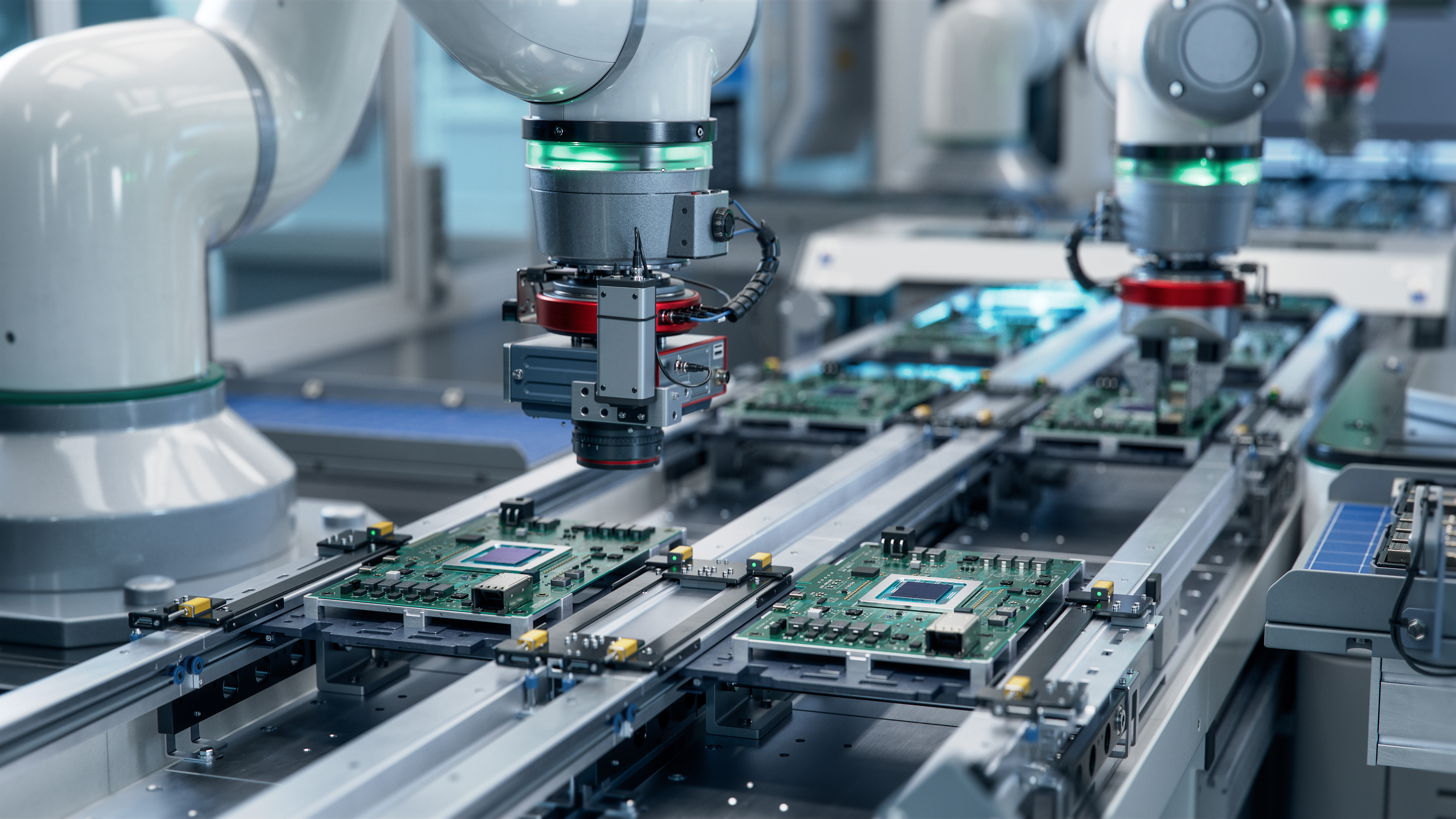
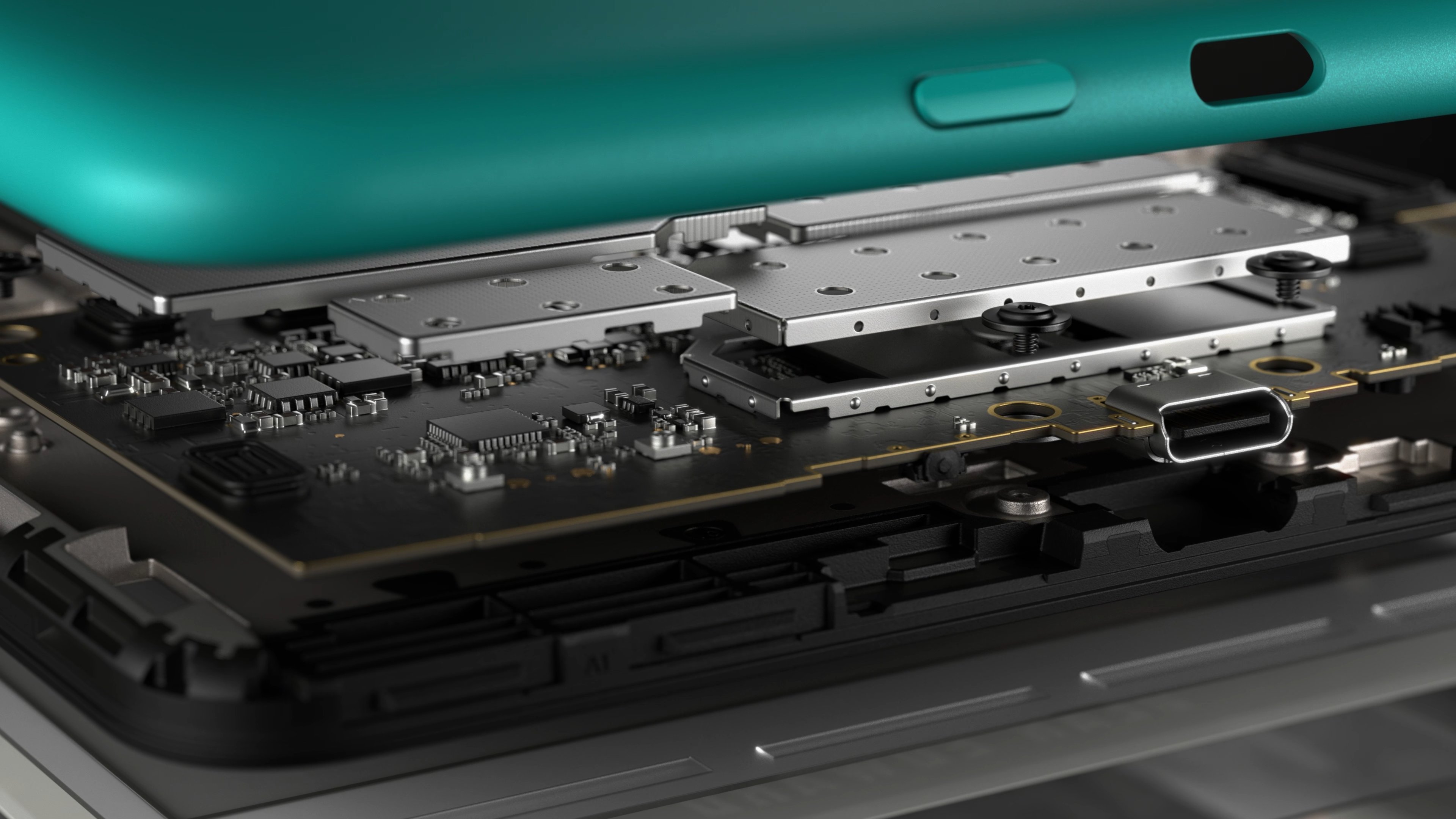
Printed Circuit Boards and Assemblies (PCBs and PCBAs)
Innovations for PCBs and PCBAs that can increase material usage efficiency and waste reduction such as biodegradable PCBs and additive manufacturing processes.
Low carbon materials
Innovations that significantly reduce carbon emissions in device components, plastics (PC and PC/ABS), textiles, and packaging materials, with a focus on more sustainable alternatives to styrofoam and other high-impact packaging materials. Examples include more sustainable polymers, recycled materials, bio-based alternatives, and low-carbon manufacturing processes.
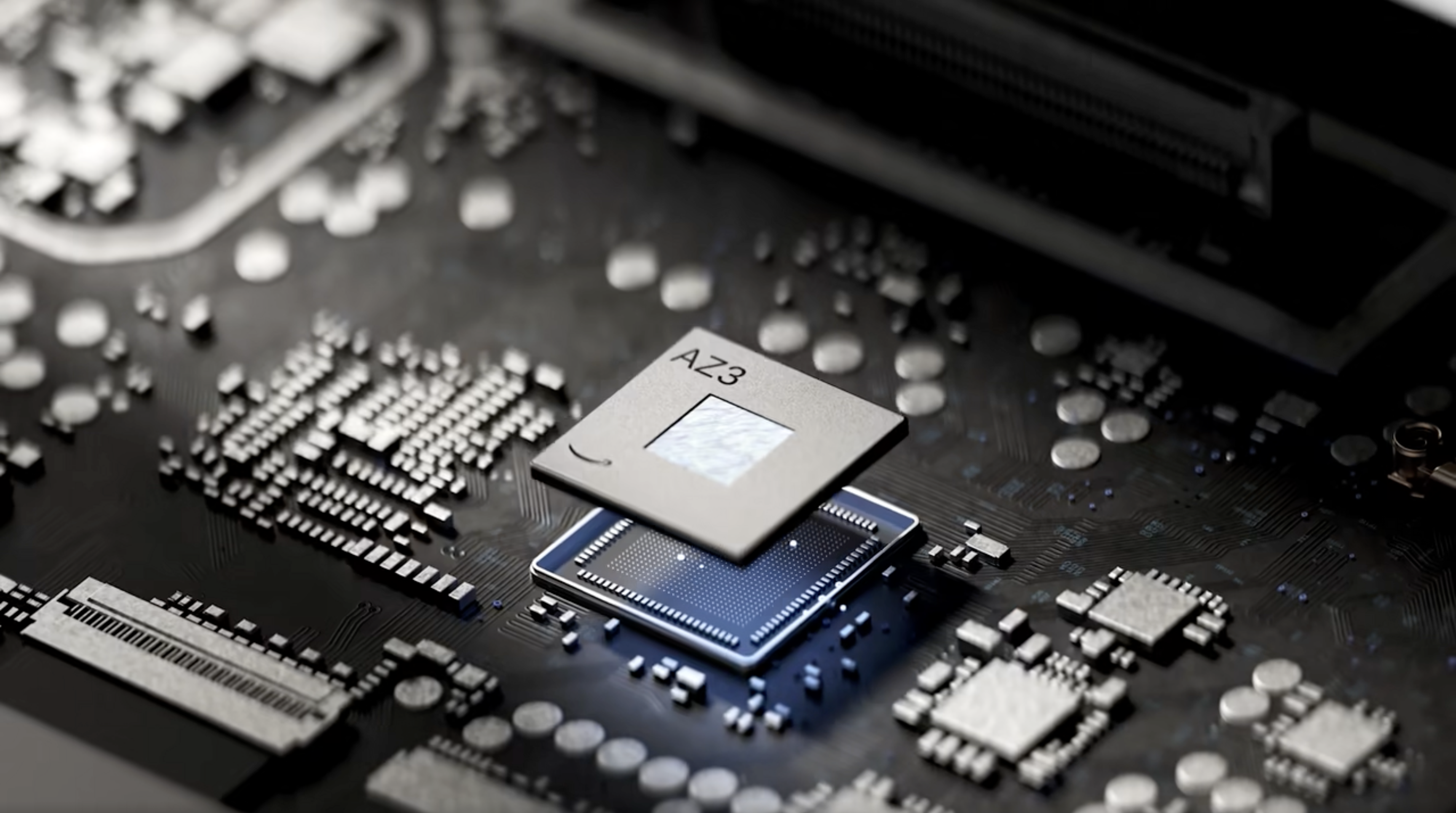
Semiconductors
Innovations that help reduce the environmental impact of semiconductor manufacturing, including energy-efficient fabrication processes, more sustainable materials for chip production, and technologies that can increase lifetime and enable reuse or minimize water usage, chemical waste, and emissions from semiconductor facilities.
Device batteries
Innovations for Amazon device batteries that can increase recycled content, promote efficiency, extend battery life, and/or reduce their manufacturing footprint.
Energy efficiency
Innovations that can reduce energy needs of displays, cameras, and speakers. Examples are sensors, microphones, networking equipment, and other components impacting power consumption.
Artificial Intelligence (AI)
AI innovations that can unlock new pathways to optimize product life cycle energy consumption and product carbon footprint. Examples include identifying alternative design and manufacturing techniques, enabling more energy-efficient product use, improving data collection and lifecycle assessment (LCA) for emissions measurement, extending hardware lifetime, and enhancing circularity through repairability, recyclability, and reuse.
Circularity
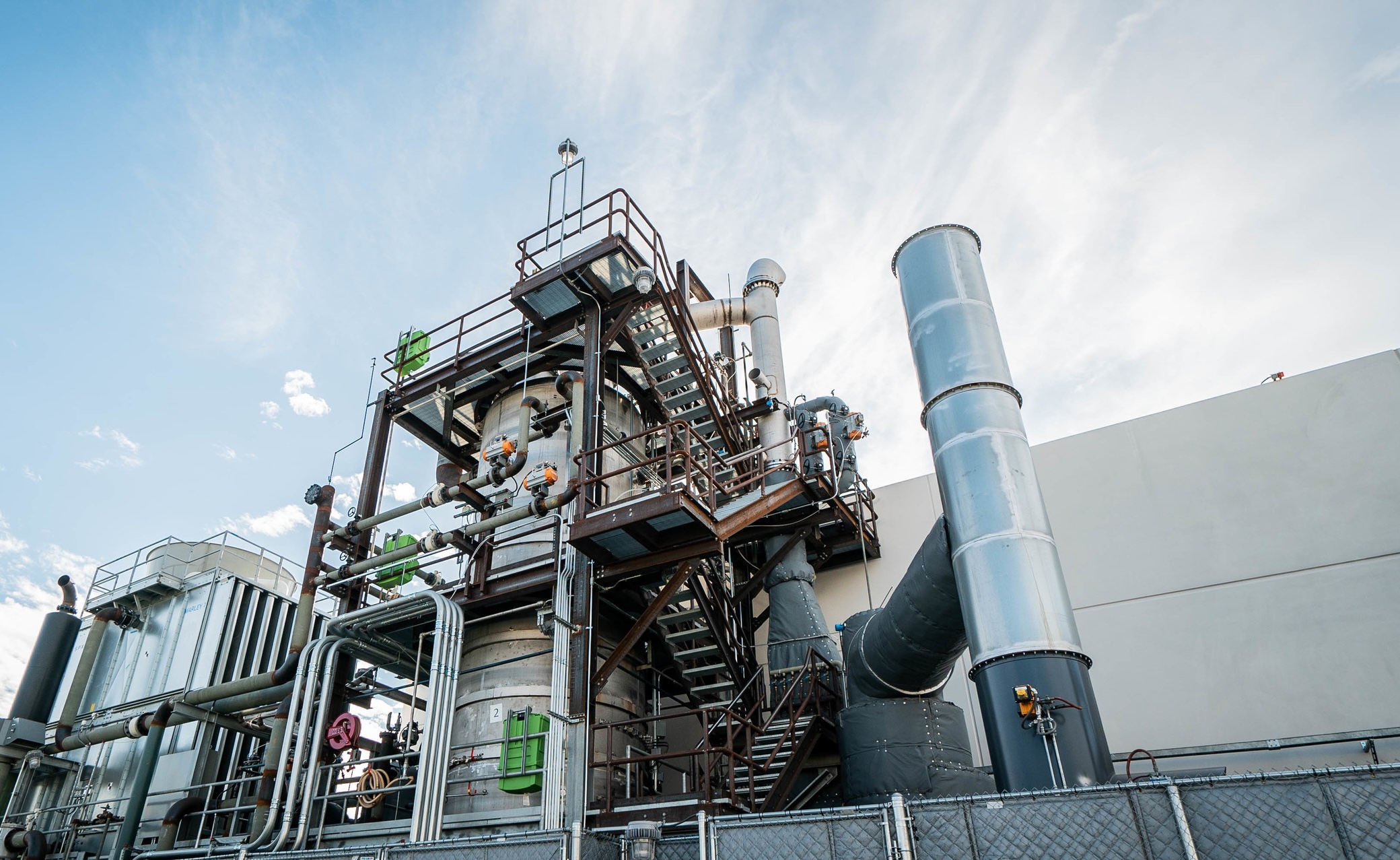
Innovations that can facilitate Amazon's shift towards closed-loop materials management and a more circular economy for Amazon devices and data center hardware such as product lifetime expansion, and recovery and reuse of critical components (e.g., magnets, batteries, PCBs, lithium, copper, and nickel), and advanced robotics and AI-enabled processes for component extraction and refurbishment.
Manufacturing processes
Innovations in manufacturing processes that aim to transform traditional factories into smart, more sustainable operations through advanced digital technologies and flexible automation. Examples are digital twin simulation that can reduce the number of builds and support MFG (Manufacturing Technology), standardized eco-friendly adhesive and primer applications, factory footprint reduction opportunities, and reconfigurable robotics and adjustable machine fixtures to reduce the need for multiple specialized fixtures.
Devices decarbonization wildcard
Although the above are our primary focus areas, we are excited about other emerging decarbonization innovations for consumer electronics.
You’ll be in good company
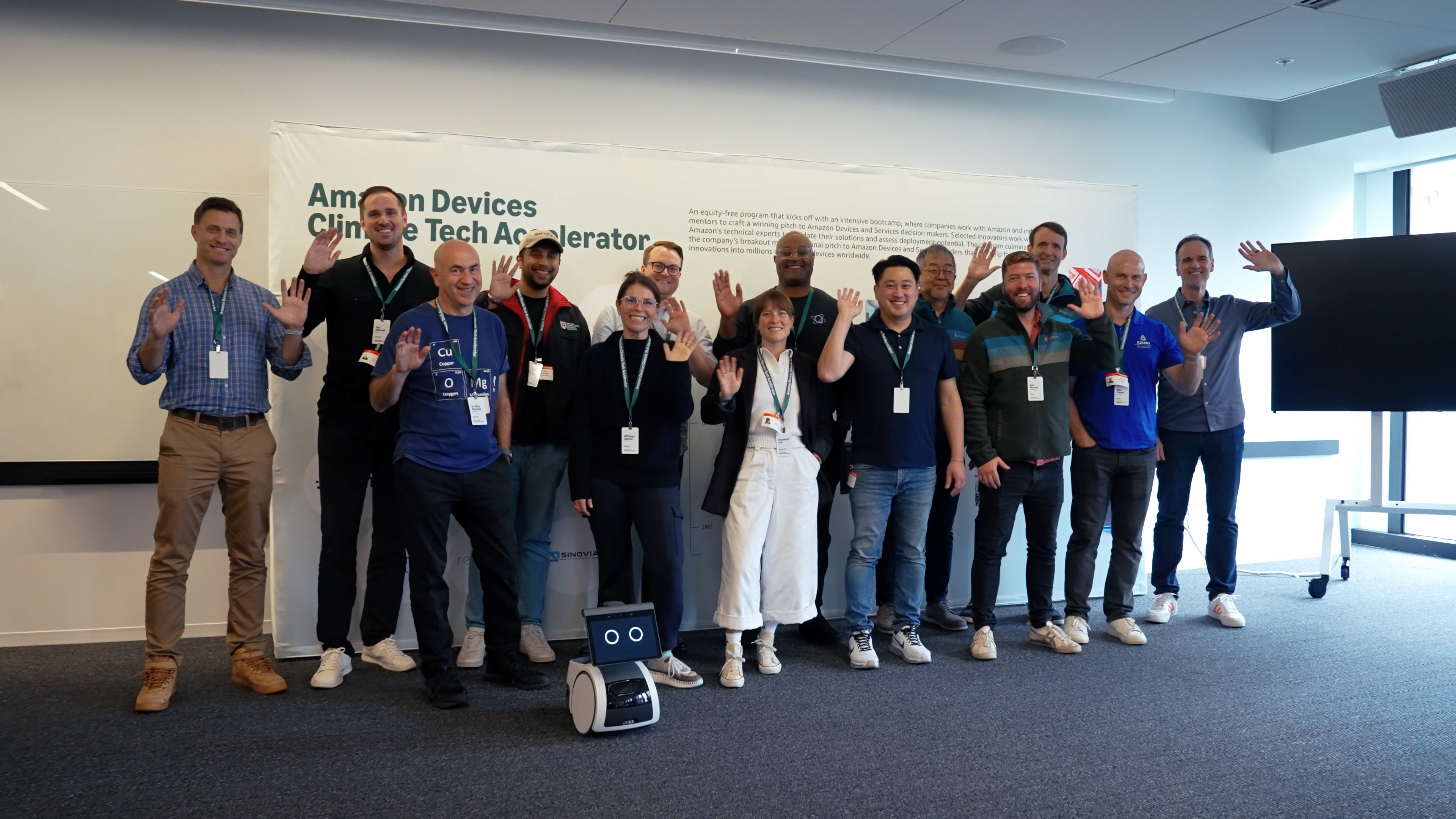
From publicly traded to startup, twenty-eight companies have participated in the accelerator, each developing technologies with the potential to meaningfully reduce device and supply-chain emissions. Their solutions ranged from high-efficiency display technologies and new approaches to printed circuit boards to next-generation device batteries, low-carbon materials, and energy-efficiency innovation.

Aircarbon
HQ: Huntington Beach, United States
Focus Area(s): Low Carbon Materials, Devices Decarbonization Wildcard
Summary: The production of Aircarbon is a carbon-negative process, meaning it captures or destroys more CO2e (carbon dioxide equivalent greenhouse gas) than it emits. Aircarbon can be used as a replacement or augmentation for a wide range of durable and compostable materials, including to make decarbonized solid parts, fibers, and leather-like products.
Year: 2025
Aircarbon Website
All statements, claims, and product descriptions, including carbon reduction impact, are provided by the participating companies.

Alteva Technologies
HQ: Cologne, Germany
Focus Area(s): Energy Efficiency, Batteries, Low Carbon Materials, Circularity, Devices Decarbonization Wildcard
Summary: Alteva is developing high-energy battery technology using sulfur, a waste product of oil and gas extraction. Our goal is to deliver a lightweight, high-energy, low-cost alternative to lithium-ion, without relying on complex mining or toxic minerals. We aim to ensure resilient local energy supply chains while meeting future regulatory demands for safety and sustainability.
Year: 2025
Alteva Technologies Website
All statements, claims, and product descriptions, including carbon reduction impact, are provided by the participating companies.

Amprius Technologies
HQ: Fremont, United States
Focus Area(s): Batteries
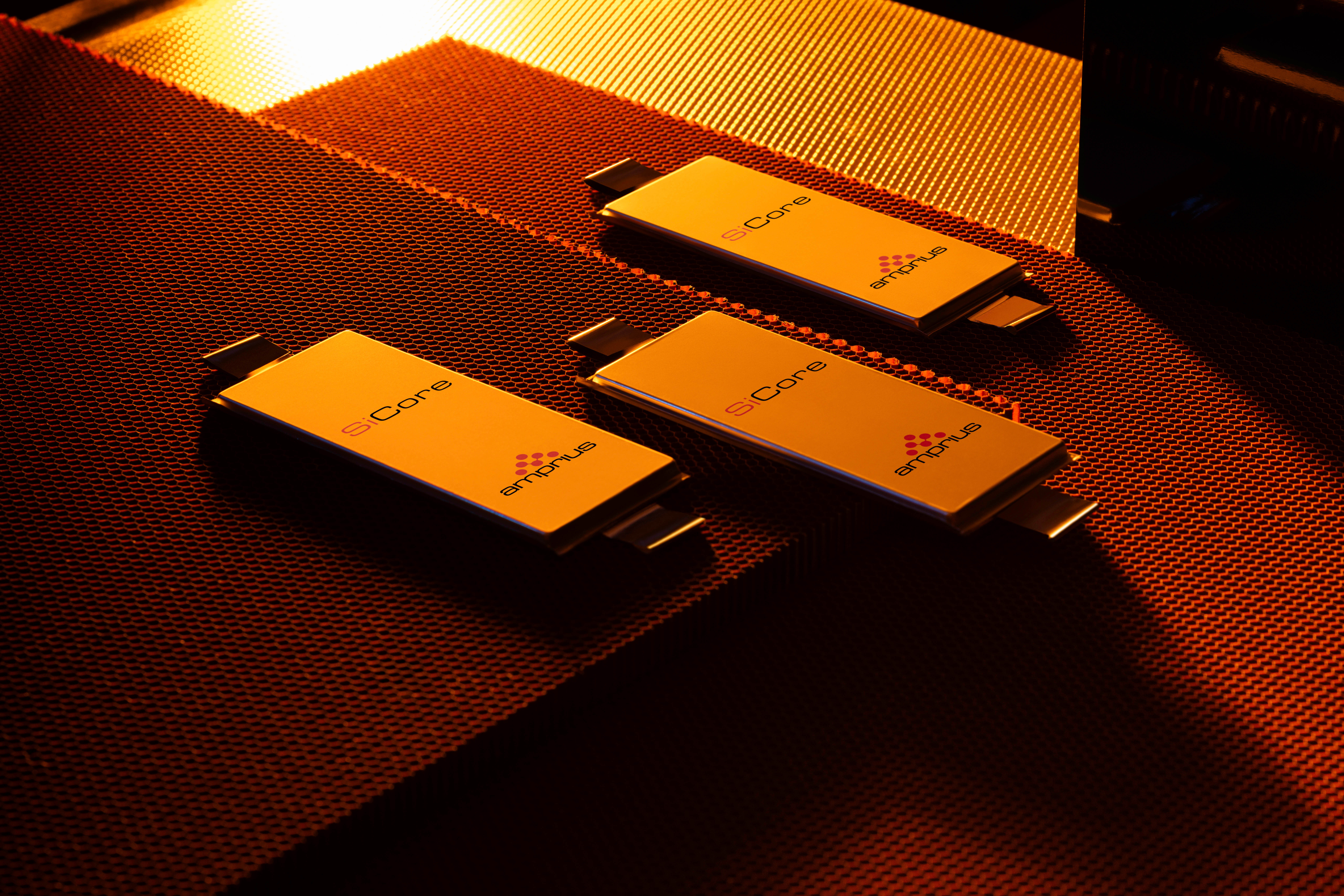
Summary: Amprius is a silicon-based anode, lithium-ion battery. By utilizing existing materials for the remaining battery construct, we are able to leverage the existing knowledge of lithium-ion battery recycling while focusing on our unique element, Silicon. Silicon is a non-toxic, common earth element that should be easily recovered/recycled, allowing for improved recycling capabilities over conventional li-ion batteries.
Year: 2025
Amprius Technologies Website
All statements, claims, and product descriptions, including carbon reduction impact, are provided by the participating companies.
Anaeco
HQ: Franklin, United States
Focus Area(s): Semiconductor innovations
Summary: Anaeco is developing advanced clean-tech systems that destroy high-impact greenhouse gases and other harmful emissions at the point of use. The technology targets difficult-to-abate gases—including HFC refrigerants, anesthetic gases, and other persistent pollutants—that can pose both significant climate impacts and health and safety concerns when released into the environment. Anaeco’s systems are designed to provide a scalable, efficient solution for permanently eliminating these emissions, helping organizations reduce their environmental footprint while creating safer environments for workers, communities, and the broader environment.
Year: 2026
Anaeco website
All statements, claims, and product descriptions, including carbon reduction impact, are provided by the participating companies.

Ares Materials
HQ: Plano, United States
Focus Area(s): Displays
Summary: Ares Materials is transforming how advanced materials are designed, scaled, and brought to market. Instead of relying on slow, trial-and-error experimentation, we use AI-driven formulation design to predict viable polymer recipes before physical testing; requiring tens of data points instead of thousands. This approach has powered shock absorption films, polymer-based replacement for glass display covers, high recovery films and OCAs. Our UV-curing, solvent-free production process also cuts manufacturing emissions by 96–97% versus conventional materials, making advanced material development faster, cheaper, and more sustainable.
Year: 2026
Ares Materials website
All statements, claims, and product descriptions, including carbon reduction impact, are provided by the participating companies.
Azumo, Inc.
HQ: Chicago, United States
Focus Area(s): Energy Efficiency, Display, Devices Decarbonization Wildcard
Summary: Azumo has developed LCD 2.0™, a breakthrough reflective display platform that enables video, high resolution, and color capable screens with over 90% lower power consumption than traditional LCDs. Unlike emissive displays that fight ambient light, Azumo’s solution works with it—like reading on paper. The core technology is an ultra-thin, flexible front light film that delivers light from a single low-power LED across the front of a reflective LCD or e-paper display. This solves the decades-old challenge of how to illuminate reflective screens in the dark while maintaining sunlight readability, high contrast, and fast refresh performance. Azumo’s front light film is manufactured at scale, integrates seamlessly with existing display module production lines, and is deployed in over 700,000 devices worldwide across industrial, medical, consumer, and mobility sectors. We also support e-paper displays, enabling energy-efficient lighting for lower-refresh-rate devices that prioritize battery life and eye comfort, with the added Azumo benefits of enhanced color, ultra-thin bezel, flexibility and lighter weight.
Year: 2025
Azumo, Inc. Website
All statements, claims, and product descriptions, including carbon reduction impact, are provided by the participating companies.

Carbon Cell
HQ: London, United Kingdom
Focus Area(s): Low Carbon Materials, Circularity
Summary: Carbon Cell is a compostable, carbon-negative alternative to plastic foam, made from biochar and natural binders. It delivers competitive performance to fossil-based foams, such as expanded polystyrene (EPS), for packaging, insulation, and impact protection‚ without the environmental damage.
Our material comes in the form of expandable beads that can be processed by existing foam manufacturers using their current equipment. This enables fast adoption with no need for new infrastructure, accelerating industry transition to sustainable materials.
If adopted at scale, replacing 50% of EPS globally by 2050, Carbon Cell can sequester 606 Mt CO2e and avoid nearly 3 trillion litres of plastic foam pollution. This makes it a powerful tool in achieving net-zero goals, advancing circularity, and supporting healthier ecosystems.
Year: 2025
Carbon Cell Website
All statements, claims, and product descriptions, including carbon reduction impact, are provided by the participating companies.
Copprint
HQ: Jerusalem, Israel
Focus Area(s): Printed Circuit Boards (PCBs)
Summary: At Copprint, we have developed a patented Nano copper ink that enables the simple sintering of copper ink under air (no need for an inert environment), allowing for the straightforward printing of conductive patterns. Therefore, processing can be performed under air using very simple, off-the-shelf tools. This technology prevents oxidation during storage and also enables the sintering of particles at low temperatures, based on our nano copper particles. Another key innovation is the low-cost production of nano-copper particles, which allows the low cost of copper ink.
Year: 2025
Copprint Website
All statements, claims, and product descriptions, including carbon reduction impact, are provided by the participating companies.
Coreshell Technologies
HQ: San Leandro, United States
Focus Area(s): Batteries
Summary: Coreshell replaces 100% of graphite in lithium-ion batteries with abundant and low energy-intensity metallurgical silicon, enabling smaller, lighter, and higher-performance batteries with a significantly lower carbon footprint. Our patented nanotechnology stabilizes silicon’s inherent swelling while remaining compatible with existing cell architectures and standard roll-to-roll manufacturing. This enables rapid adoption into existing battery supply chains while improving both device performance and sustainability.
Year: 2026
Coreshell Technologies website
All statements, claims, and product descriptions, including carbon reduction impact, are provided by the participating companies.
CPTI
HQ: Palo Alto, United States
Focus Area(s): Energy efficiency
Summary: CPTI turns any surface into an energy source. Our perovskite photovoltaic films harvest indoor, outdoor, and diffuse light on flat, curved, or flexible surfaces, delivering up to 270 W/m² with minimal added mass. This enables maintenance-free devices that, in many cases, never require a battery swap or recharge.
Year: 2026
CPTI website
All statements, claims, and product descriptions, including carbon reduction impact, are provided by the participating companies.

DREAMInk
HQ: Beijing, China
Focus Area(s): Advanced manufacturing
Summary: DREAMInk provides drop‑in electronic additive‑manufacturing solutions for flexible and rigid printed circuit boards. Powered by our proprietary eAMP technology, we achieve substantial carbon‑emission reduction while maintaining full product performance.
Year: 2026
DREAMInk website
All statements, claims, and product descriptions, including carbon reduction impact, are provided by the participating companies.

Elephantech Inc.
HQ: Tokyo, Japan
Focus Area(s): Printed Circuit Boards (PCBs)
Summary: Elephantech has developed a revolutionary method for manufacturing printed circuit boards (PCBs) using metal inkjet printing and selective plating. Unlike traditional methods that etch away copper from large metal sheets, creating significant waste, our approach builds circuits additively, only where needed.
Here’s how it works: we first inkjet-print a special metal catalyst pattern directly onto a flexible film. Then, we use a chemical plating process to grow copper only on the printed areas, forming precise and functional circuits. This method eliminates the need for copper laminate boards and drastically reduces the use of chemicals, water, and energy.
Our technology reduces CO2 emissions by up to 75% and liquid waste by up to 95% compared to conventional PCB manufacturing. It also enables simpler, more agile production in compact facilities, making local, sustainable electronics manufacturing a reality.
Year: 2025
Elephantech Inc. Website
All statements, claims, and product descriptions, including carbon reduction impact, are provided by the participating companies.

e-peas
HQ: Louvain-La-Neuve, Belgium
Focus Area(s): Semiconductor innovations
Summary: e-peas is the world leader in energy-harvesting power management semiconductors. We help our customers power their devices using ambient energy from light, heat, vibration and RF. This enables our customers to eliminate disposable batteries from their designs, reducing the CO2 emissions associated with battery use while removing the cost, maintenance, and inconvenience of regular battery replacement.
Year: 2026
e-peas website
All statements, claims, and product descriptions, including carbon reduction impact, are provided by the participating companies.

Flint Paper Battery
HQ: Singapore, Singapore
Focus Area(s): Batteries
Summary: Flint is developing a next-generation, cellulose-based battery technology that eliminates the need for harmful metals like lithium, nickel, or cobalt. Engineered with renewable, non-toxic materials, it offers superior safety: the cells are leak-proof, fire-resistant, and explosion-proof, addressing critical hazards in conventional batteries.
From a cost perspective, our input materials are up to ten times cheaper than lithium chemistries, enabling a potential price point of just $50 per kWh at scale, significantly lower than the $100-$130 range typical for lithium-based solutions. This affordability extends across manufacturing, distribution, and integration in applications spanning from IoT devices to building-scale energy storage.
Beyond cost and safety, sustainability is at the forefront of our design. Thanks to responsibly sourced materials and a compostable end-of-life pathway, our product can achieve up to a 95% reduction in its carbon footprint. By combining safety, cost-effectiveness, and environmental stewardship, we aim to deliver a breakthrough energy storage system that truly aligns with global commitments to cleaner, greener power.
Year: 2025
Flint Paper Battery Website
All statements, claims, and product descriptions, including carbon reduction impact, are provided by the participating companies.

GRST
HQ: Hong Kong, China
Focus Area(s): Batteries, circularity, low carbon materials
Summary: Our solution is a proprietary binder material technology which doesn't use PFAS Forever Chemicals, is easily recyclable to high purity black mass in water, and reduces manufacturing emissions.
Our solution is already at commercial GWh-scale, works for all battery types, easily integrates into existing battery manufacturing equipment, and matches performance and cost.
Year: 2025
GRST Website
All statements, claims, and product descriptions, including carbon reduction impact, are provided by the participating companies.

Heartland Industries
HQ: Detroit, United States
Focus Area(s): Low carbon materials
Summary: Imperium is a drop-in solution for plastic and rubber manufacturers, requiring no change of equipment. Our ingredient can replace up to 40% of the plastic/rubber used to make the same part. This enables rapid adoption in the value chain while providing economic benefits to every stakeholder.
Year: 2025
Heartland Industries Website
All statements, claims, and product descriptions, including carbon reduction impact, are provided by the participating companies.

Hiro Robotics
HQ: Genova, Italy
Focus Area(s): Circularity
Summary: Hiro Robotics builds AI-driven robotic disassembly cells for e-waste and electronics recovery Our vision-guided robots automate the most labor-intensive, injury-prone steps of dismantling, unlocking higher-purity material recovery streams. Built on a patented, proprietary AI dataset and vision-guided control platform, our technology gives e-waste treatment centers, ITAD operators, and manufacturers a scalable path to more profitable, higher-throughput circular electronics recycling.
Year: 2026
Hiro Robotics website
All statements, claims, and product descriptions, including carbon reduction impact, are provided by the participating companies.

Jiva Materials Ltd
HQ: Waterlooville, United Kingdom
Focus Area(s): Low carbon materials, circularity, Printed Circuit Boards (PCBs)
Summary: Printed circuit boards (PCBs) contribute roughly 68% of a device’s embodied carbon and, built from glass-fiber epoxy, are very difficult to recycle.
Jiva's Soluboard® is the world’s first fully recyclable, biodegradable PCB substrate made from engineered natural fibers and a hot-water-soluble polymer. It is comparative to market incumbents such as FR-4 in electrical, thermal and mechanical performance while cutting weight of PCBs by 37%, reducing PCB carbon emissions by 70%, enabling easy recovery of components and copper and supporting low-temperature assembly for further energy savings.
This innovation directly advances Amazon’s goals to decarbonize electronics, reduce waste and close the loop on product lifecycles. As a drop-in FR-4 replacement, Soluboard® scales on existing fabrication lines, paving the way for circular, low-carbon device design, manufacturing and end-of-life recycling.
Year: 2025
Jiva Materials Ltd Website
All statements, claims, and product descriptions, including carbon reduction impact, are provided by the participating companies.

Microwave Chemical
HQ: Osaka, Japan
Focus Area(s): Circularity
Summary: Microwave Chemical Co., Ltd. (MWCC) develops proprietary precious metal recovery DualPoreSystem ("DPS") for low-concentration wastewater. Our DPS technology offers PCB/FPC manufacturers a practical, drop-in solution to recover valuable metals, reduce waste, and improve the circularity of precious metals without major changes to existing equipment.
Year: 2026
Microwave Chemical website
All statements, claims, and product descriptions, including carbon reduction impact, are provided by the participating companies.

Naieel Technology
HQ: Daejeon, South Korea
Focus Area(s): Energy efficiency
Summary: Naieel Technology produces Boron Nitride Nanotubes (BNNT) powder. Due to its excellent material properties, it will be a core nanomaterial for the 4th Industrial Revolution used for IT/IoT, space/nuclear, bio-medical, and energy, etc. While production capability and impurity of BNNT are major concerns currently, we are able to produce industrial scale BNNT with a single pilot module, and purification of BNNT even up to 99% (morphological BN nanoubues content with ~ppm level of chemical impurities) is now available.
Year: 2026
Naieel Technology website
All statements, claims, and product descriptions, including carbon reduction impact, are provided by the participating companies.
Nanopower Semiconductor
HQ: Kristiansand, Norway
Focus Area(s): Semiconductor innovations
Summary: Nanopower Semiconductor develops ultra-low-power semiconductor solutions for the next generation of connected and Physical AI devices. Our patented sub-threshold architecture reduces power consumption by up to 90%, enabling dramatically longer battery life and smaller, more sustainable devices without compromising performance. Designed for seamless integration into existing products, we are addressing a fundamental power challenge as intelligence moves from the cloud to billions of battery-powered devices at the edge.
Year: 2026
Nanopower Semiconductor website
All statements, claims, and product descriptions, including carbon reduction impact, are provided by the participating companies.

NOVATION
HQ: Dongguan, China
Focus Area(s): Low carbon materials
Summary: Novation Eco Material develops high performance CO₂-based and bio-based PU leather alternatives for consumer electronics. Our bio-based PU holds official USDA BioPreferred certification, while captured CO₂ derived polyols partially displace petroleum based raw materials. We are conducting a Life Cycle Assessment (LCA) to quantify the material's environmental footprint. This drop-in sustainable solution requires no manufacturing workflow modification, delivering stable abrasion resistance and reliable functional coating performance. Our low-carbon PU leather is ideal for device cases and accessories, helping consumer electronics brands lower product-level carbon footprint via bio content and carbon utilization technologies.
Year: 2026
NOVATION website
All statements, claims, and product descriptions, including carbon reduction impact, are provided by the participating companies.

Oleago
HQ: Istanbul, Turkey
Focus Area(s): Low carbon materials
Summary: Oleago produces OleaTex, a bio-based coated textile made using olive pomace, a by-product of olive oil production. With over 80% bio-based content, OleaTex turns an existing agricultural waste stream into a scalable material that can be produced using conventional coating equipment. The material is already in commercial use across fashion, accessories, automotive and bookbinding applications.
Year: 2026
Oleago website
All statements, claims, and product descriptions, including carbon reduction impact, are provided by the participating companies.

Quantum Qool
HQ: Omaha, United States
Focus Area(s): Energy efficiency, devices decarbonization wildcard
Summary: Our solution is a proprietary femtosecond laser surface structuring process that increases the surface area and emissivity of materials and components without altering their chemical composition, significantly improving thermal radiation efficiency. Unlike traditional coatings, paints, films and thermal interface materials which degrade under high temperature conditions, Quantum Qool's method creates durable, micro- and nanostructured surfaces that enhance heat dissipation capabilities, keeping products cooler overall.
Year: 2025
Quantum Qool Website
All statements, claims, and product descriptions, including carbon reduction impact, are provided by the participating companies.

RECHO AI
HQ: Montreal, Canada
Focus Area(s): Energy efficiency, artifical intelligence
Summary: Revolving physical reservoir computing technology, we have developed and idealized a suite of hardware and software to achieve very efficient sensor intelligence.
The reservoir processing unit, modified from very low carbon footprint MEMS sensor, allows audio/time series processing at 10% of the incumbency.
The audio detection software, tailored for reservoir processing unit, has only about couple of hundred parameters while achieving high accuracy of event detection compared to the incumbent solution using near millions of parameters.
The above two combined can be packaged to the form factor of a MEMS sensor or around 3 mm-square and use very generic processors for signal inference.
Year: 2025
RECHO AI Website
All statements, claims, and product descriptions, including carbon reduction impact, are provided by the participating companies.
Sinovia Technologies, Inc.
HQ: San Carlos, United States
Focus Area(s): Display
Summary: Printed Light Film is a light-emitting information display based on OLED technology. It is thin, flexible, and customizable into segmented shapes, logos, icons, and pixel displays, for the exact information density required by the device. As a single thin-film component, it is easy to design and integrate into IoT products, saving space and allowing for curved viewing surfaces.
Because it is additively manufactured on a printing press, producing light film generates far less carbon than manufacturing other types of electronic displays and indicators. And because light is printed only where required, it also consumes less power in operation. Printed light film enables smart products to better communicate information to their users in a tailored and environmentally friendly way.
Year: 2025
Sinovia Technologies, Inc. Website
All statements, claims, and product descriptions, including carbon reduction impact, are provided by the participating companies.

Syklo
HQ: Olulu, Finland
Focus Area(s): Low carbon materials
Summary: Syklocomp is a cellulose-based plastics-reinforcing additive that can be used to manufacture bio-based plastic compounds to replace engineering plastics and reinforcing materials like glass fiber and minerals. Syklocomp brings energy savings, faster cycle times, and a lower carbon footprint to products as a drop-in solution.
Year: 2026
Syklo website
All statements, claims, and product descriptions, including carbon reduction impact, are provided by the participating companies.
XLYNX Materials
HQ: Victoria, Canada
Focus Area(s): Advanced manufacturing
Summary: XLYNX Materials is a deep-tech specialty chemical company developing PFAS-free, diazirine-based crosslinking platforms that enable bonding and custom surface functionalization on traditionally inert substrates—such as low-surface-energy polymers and ultra-smooth metals. By overcoming challenges that conventional chemistries cannot solve, XLYNX unlocks new material and manufacturing possibilities for industry leaders across advanced semiconductor packaging, consumer electronics, advanced composites, electric vehicles, and consumer products.
Year: 2026
XLYNX Materials website
All statements, claims, and product descriptions, including carbon reduction impact, are provided by the participating companies.
Frequently asked questions
Find answers to the most common questions about the Amazon Devices Climate Tech Accelerator—including eligibility, focus areas, program structure, and what to expect if selected. Expand the sections below to learn more about the program and how to prepare a strong application.