Sustainability
  • Progress

    By tracking key metrics and milestones, we demonstrate our commitment to building a more sustainable future worldwide.

    Explore

    • Progress
    • Climate Solutions
      • Climate Solutions
      • Carbon-Free Energy
      • Transportation
      • Buildings
    • Waste & Circularity
      • Waste & Circularity
      • Packaging Innovation
      • Recycle Your Amazon Packaging
    • Natural Resources
      • Natural Resources
      • Water Stewardship
      • Biodiversity
      • Nature in Communities
    • Human Rights
      • Human Rights
      • Human Rights Principles
      • Supply Chain
    • Products & Services
      • Products & Services
      • AWS Cloud
      • Amazon Devices
      • Amazon Devices Climate Tech Accelerator
    • People

      • Customers
      • Employees
      • Communities
    • Climate Solutions
      • Climate Solutions
      • Carbon-Free Energy
      • Transportation
      • Buildings
    • Waste & Circularity
      • Waste & Circularity
      • Packaging Innovation
      • Recycle Your Amazon Packaging
    • Natural Resources
      • Natural Resources
      • Water Stewardship
      • Biodiversity
      • Nature in Communities
    • Human Rights
      • Human Rights
      • Human Rights Principles
      • Supply Chain
    • Products & Services
      • Products & Services
      • AWS Cloud
      • Amazon Devices
      • Amazon Devices Climate Tech Accelerator
    • People

      • Customers
      • Employees
      • Communities
    • For Businesses

      • Sustainability Exchange , opens in a new tab
      • The Climate Pledge , opens in a new tab
      • Sustainability Solutions Hub , opens in a new tab
      • AWS Sustainability , opens in a new tab
    • For Customers
      • For Customers
      • Recycle Your Amazon Packaging
      • Climate Pledge Friendly , opens in a new tab
      • Pre-Owned Products , opens in a new tab
      • Repair Electronics , opens in a new tab
      • Recycle & Trade-In Electronics , opens in a new tab
    • Sustainability Reports
      • Sustainability Reports
      • 2024 Sustainability Report
      • 2023 Sustainability Report , opens in a new tab
      • 2022 Sustainability Report , opens in a new tab
      • All reports
    • Popular Downloads

      • Carbon Methodology
      • Renewable Energy Methodology
      • Supply Chain Standards
      • All Downloads
  • 2024 Sustainability Report

    Explore

    • Sustainability Reports

      • 2024 Sustainability Report
      • 2023 Sustainability Report , opens in a new tab
      • 2022 Sustainability Report , opens in a new tab
      • All Reports
    • Sustainability Reports

      • 2024 Sustainability Report
      • 2023 Sustainability Report , opens in a new tab
      • 2022 Sustainability Report , opens in a new tab
      • All Reports
  • Global Action New
  • Stories New
Sustainability
Back to all stories

Water-AI Nexus report provides roadmap for water sustainability in the AI era

  • Feb 12, 2026
  • 2 min
  • 🇺🇸 United States

Water

An overhead view shows rows of buildings illuminated at night.

A new analysis details how to balance data center development with sustainable water use.

Water-AI Nexus report provides roadmap for water sustainability in the AI era

Smile logo

Amazon staff

Share this article

The report outlines four principles for responsible water use by data centers in our current digital landscape.

Data centers comprise critical infrastructure for key sectors, including utilities, government, and finance. As AI continues to advance, data centers are scaling up to provide the computing power needed to develop the AI tools we increasingly use. Some data center designs use water for cooling to increase power efficiency. This helps to reduce carbon emissions and provides relief for power distribution constraints while infrastructure providers work to upgrade electrical grids. With rising water scarcity and demands for sustainable solutions, efficient use of water and energy is essential for the data industry’s growth.


Supporting environmental and economic goals while also responding to policy needs and the public interest, the Water-AI Nexus™ Center of Excellence, founded by the Water Environment Federation, Amazon, The Water Center at Penn, and the Leading Utilities of the World, aims to guide both utilities and data center developers on responsible practices to minimize impacts on watersheds, starting with this report.


“Water utilities worldwide are facing unprecedented challenges from climate change and aging infrastructure, while simultaneously working to serve communities that depend on reliable, affordable water services,” Water Environment Federation President Howard Carter said. “The Water-AI Nexus Center of Excellence will accelerate innovation by connecting water professionals with AI experts to develop solutions that benefit both sectors as well as the communities they serve.”


The report outlines four principles on data center design: 
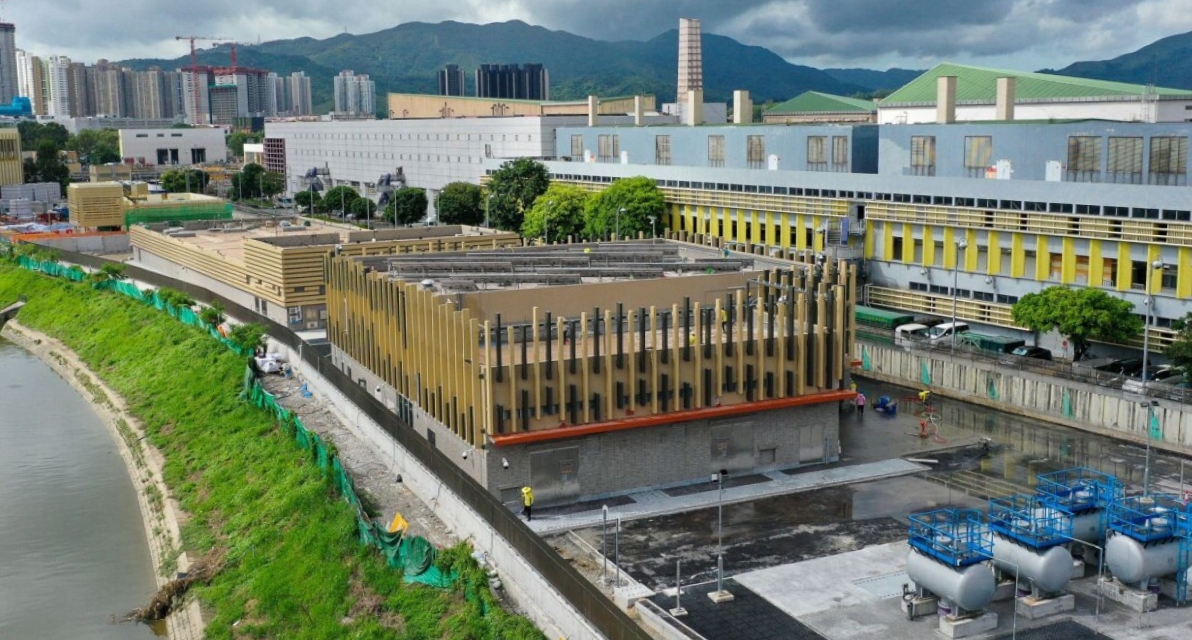
Buildings sit along a bank of water with lush mountains in the background.

Assessing water availability, climate conditions, and energy access can help developers make smart decisions about where and how data centers are built.

1. Improve design and siting practices

Where and how data centers are built matters. There are multiple factors for developers to consider including water availability, climate conditions, and energy access when determining a data center’s location and cooling technology.

The report cites location as a key consideration, as a location’s water and energy availability influences data center design decisions. 


2. Reduce water consumption


Water usage effectiveness (WUE) is a valuable metric for understanding water use in data centers. WUE varies by cooling system design and by location. 

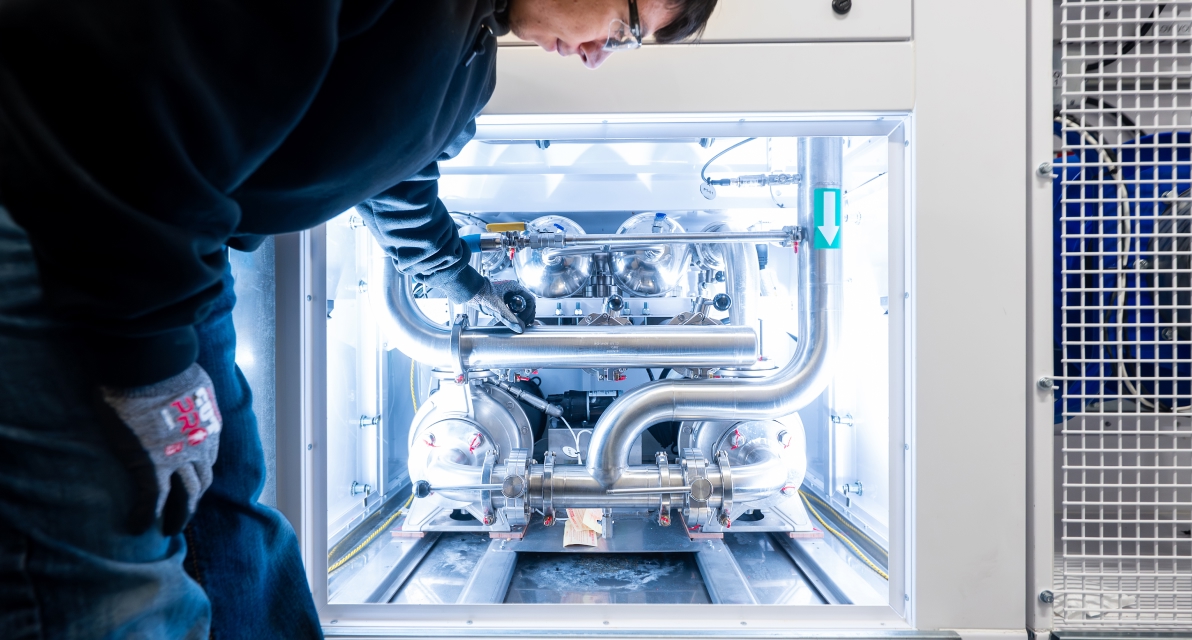
A person places their hand on a piece of metal machinery.

Understanding water use as a function of cooling IT capacity is the first step in achieving water reductions, according to the report.

3. Reuse and sustainably source water


The data center industry is increasingly developing and using municipal recycled water for cooling. This eases constraints around potable supplies and helps prioritize potable water for community purposes.


Examples of data center operators investing in this space include AWS, which announced expanding to water reuse in 120 locations by 2030, and Meta, which has invested in water infrastructure that allows spent cooling water to be used as irrigation for non-edible crops in Idaho. 


4. Engage with communities

Data centers should work with region-specific water utilities, government agencies, and community groups to understand local water stresses. Water replenishment serves as a pathway to deliver water back to communities and ecosystems and represents the final critical component of comprehensive data center water stewardship strategy. 


Looking ahead


The report’s authors highlight the crucial relationship between water and technology as we move toward a more water-conscious future. By adopting these principles, they say, data centers can minimize their water footprint while continuing to power the digital services we rely on.


Learn more about the Water-AI Nexus™ Center of Excellence.


Sign up for our monthly newsletter to get Amazon sustainability updates sent directly to your inbox.

Related stories

  • Sea foam at the surface of the ocean.

    Water.org

    January 23, 2026 2 min

    Water will be the defining business issue of the decade  , opens in a new tab

    For the estimated <a href="https://data.unicef.org/topic/water-and-sanitation/drinking-water/">2.1 billion people</a> who lack access to safe water and the <a href="https://www.unicef.org/press-releases/fast-facts-1-4-people-globally-still-lack-access-safe-drinking-water-who-unicef">3.4 billion</a> who lack access to safe sanitation, water dictates everything. 

  • Get Blue logo against a blue background.

    Time

    January 19, 2026 4 min

    Water.org Partners with Gap Inc., Amazon, Starbucks, and Ecolab to Launch Get Blue™, Advancing Water.org’s Goal of Reaching 200 Million People by 2030 , opens in a new tab

    <i>Founding partners will activate products, content, and experiences that help fund access to safe water and sanitation through Water.org’s proven solutions</i>

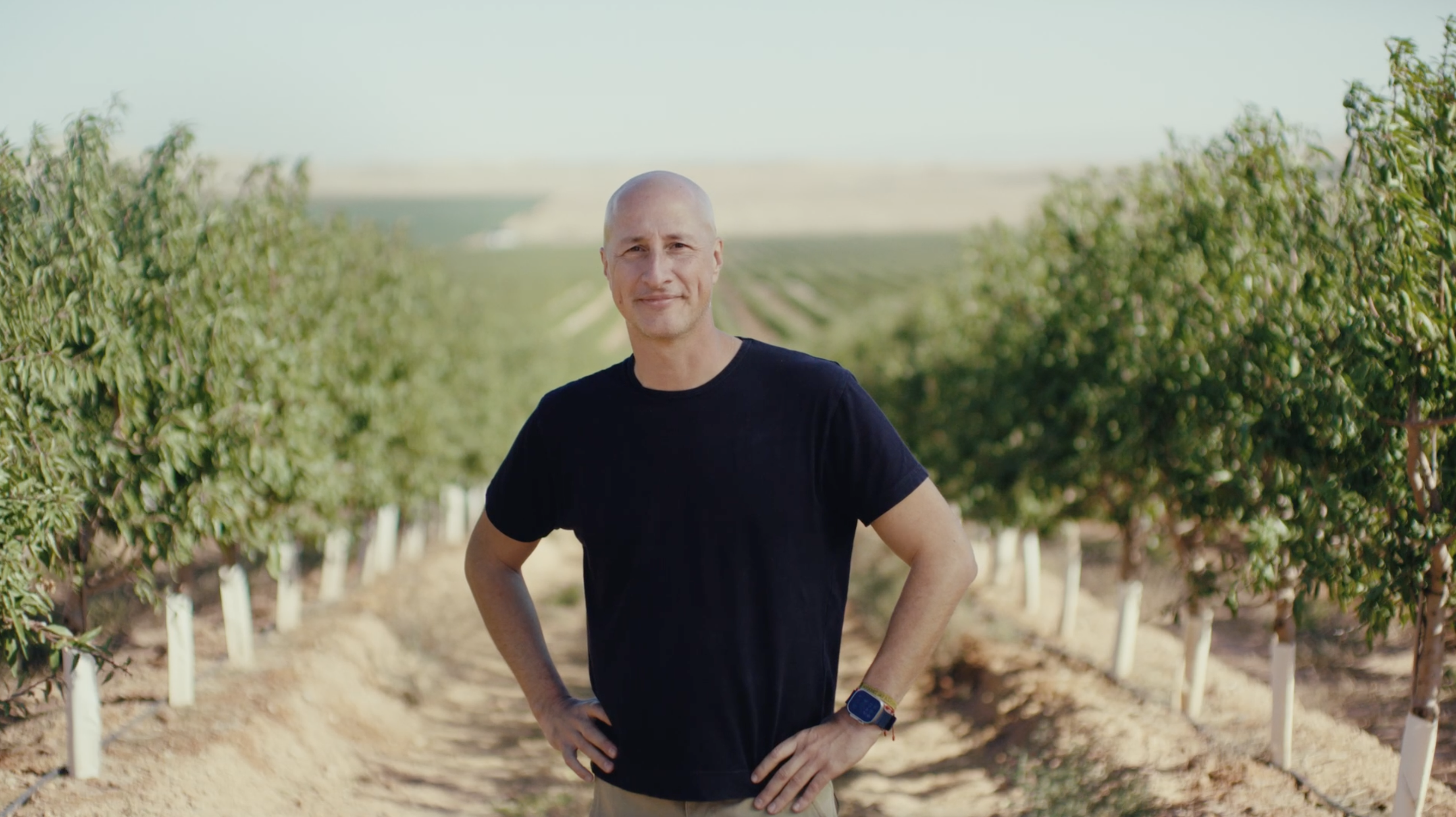
  • A person stands between fields of crops.

    January 7, 2026 5 min

    FAQ: How are farmers using technology to conserve water? , opens in a new tab

    With support from Amazon and Amazon Web Services (AWS), farmers in Spain are transforming agricultural water use with AI while strengthening harvests.

1 of 3

Article author image

Transcript

  • Human Rights & Environmental Complaints Procedure
  • Disclaimer
  • Sitemap
  • Newsletter Sign-Up , opens in a new tab
  • The Climate Pledge , opens in a new tab
  • About Amazon , opens in a new tab
  • Amazon.com , opens in a new tab
  • Investor Relations , opens in a new tab
  • Press Center , opens in a new tab
  • Privacy Notice , opens in a new tab
  • Conditions of Use , opens in a new tab
  • Sustainability News , opens in a new tab
  • Sustainability Jobs , opens in a new tab

© 1996-2026 Amazon.com, Inc. or its affiliates

Sustainability

© 1996-2026 Amazon.com, Inc. or its affiliates