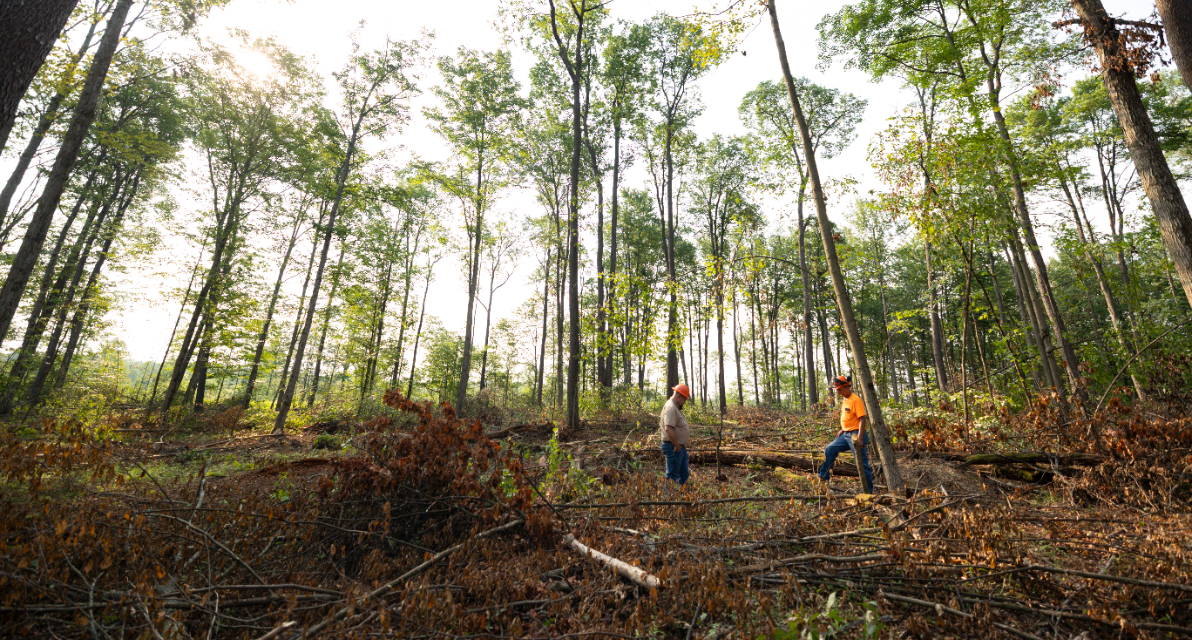
A coalition of scientists, foresters, and companies across the supply chain, including Amazon, are piloting a new approach to wildlife conservation that could help protect dozens of species at once by making it easier to prevent biodiversity loss.
Key takeaways:
- Two-thirds of America's forests are working forests, which generate income for landowners through timber harvesting.
- Costly or complex biodiversity compliance requirements can be one more factor that tips landowners toward selling to developers—permanently turning forests into developments like houses or apartments.
- A new pilot is helping loggers and landowners in northeastern U.S. forests identify and safeguard easy-to-spot habitats that provide shelter for dozens of species, which can help protect more plants and animals at once.
Countless books are created from trees, some of them logged from the hills of the northeastern U.S. But the wood that feeds our paper mills isn’t felled in the wilderness; it comes from working forests—land that is managed, harvested, and regrown on a cycle. It’s a lot like a farm, but with decades between each "crop."
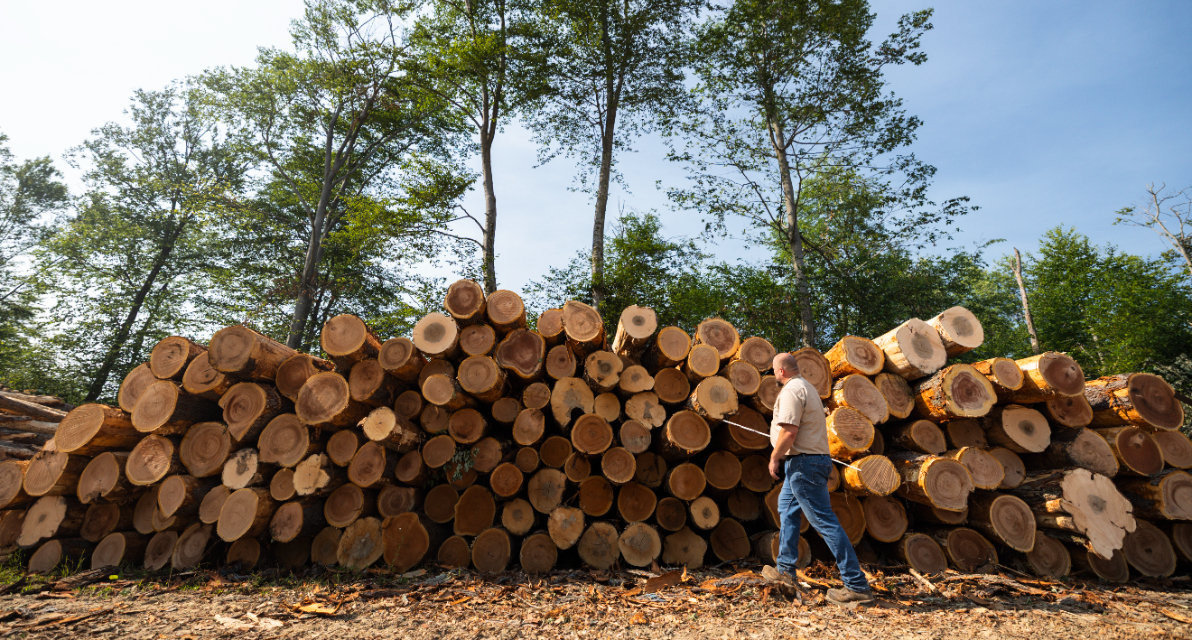
Today, two-thirds of America's forests are working forests, and they generate income through timber harvesting. That wood is turned into everyday items like paper, shipping boxes, lumber, flooring, and books. That revenue pays for the land management, the foresters, and the long-term stewardship of the property.