Amazon MGM Studios piloted new technology to minimize on-set emissions during filming of the show’s second season, using sunlight to power basecamp, even during the night.
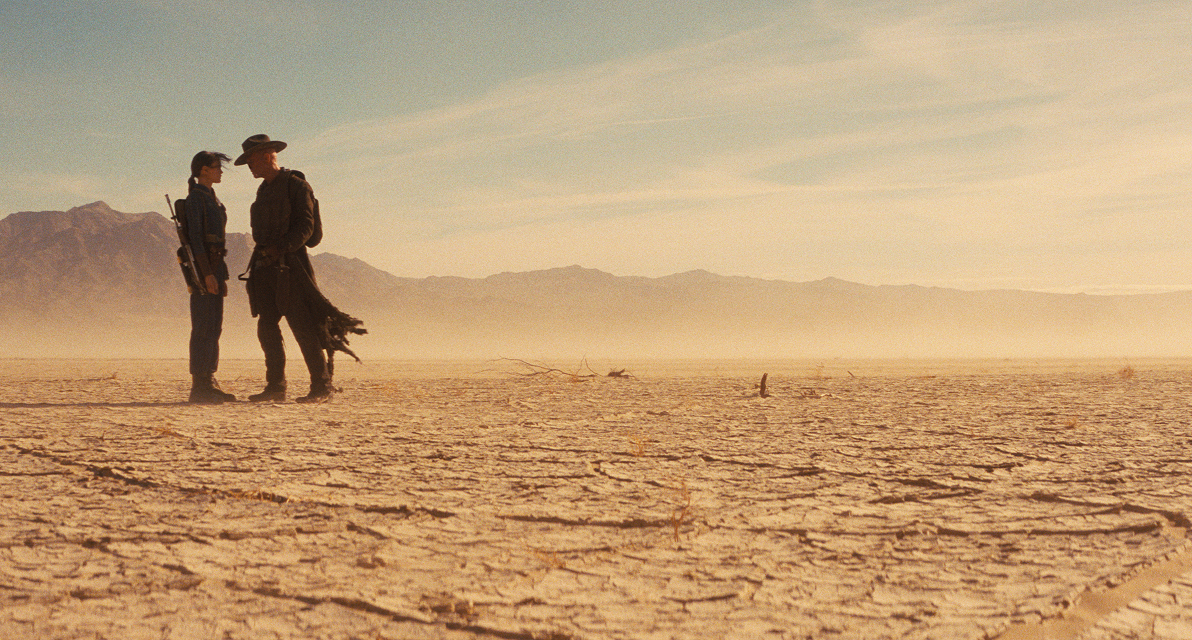
The Amazon MGM Studios and Kilter Films series Fallout, with Season Two currently streaming on Prime Video, depicts life after an apocalyptic event. But behind the scenes, the show’s team is adapting to our changing planet, reimagining film and television production, and testing new sustainability technology.
With the goal of reducing the environmental impact of the show’s California desert set during its second season, the team piloted a generator-free basecamp to provide electricity for the set—a first for an Amazon MGM Studios production and an emerging technology for the broader industry. The basecamp served as the central production hub for makeup and wardrobe, catering, and more.
The average carbon footprint of producing one episode of an hour-long scripted drama is about 105.4 metric tons, equivalent to the annual greenhouse gas emissions of approximately 25 gas-powered passenger vehicles in one year. Fuel consumption, meanwhile, is the leading source of emissions across features and series productions, ranging from 34% to 65% of total emissions.
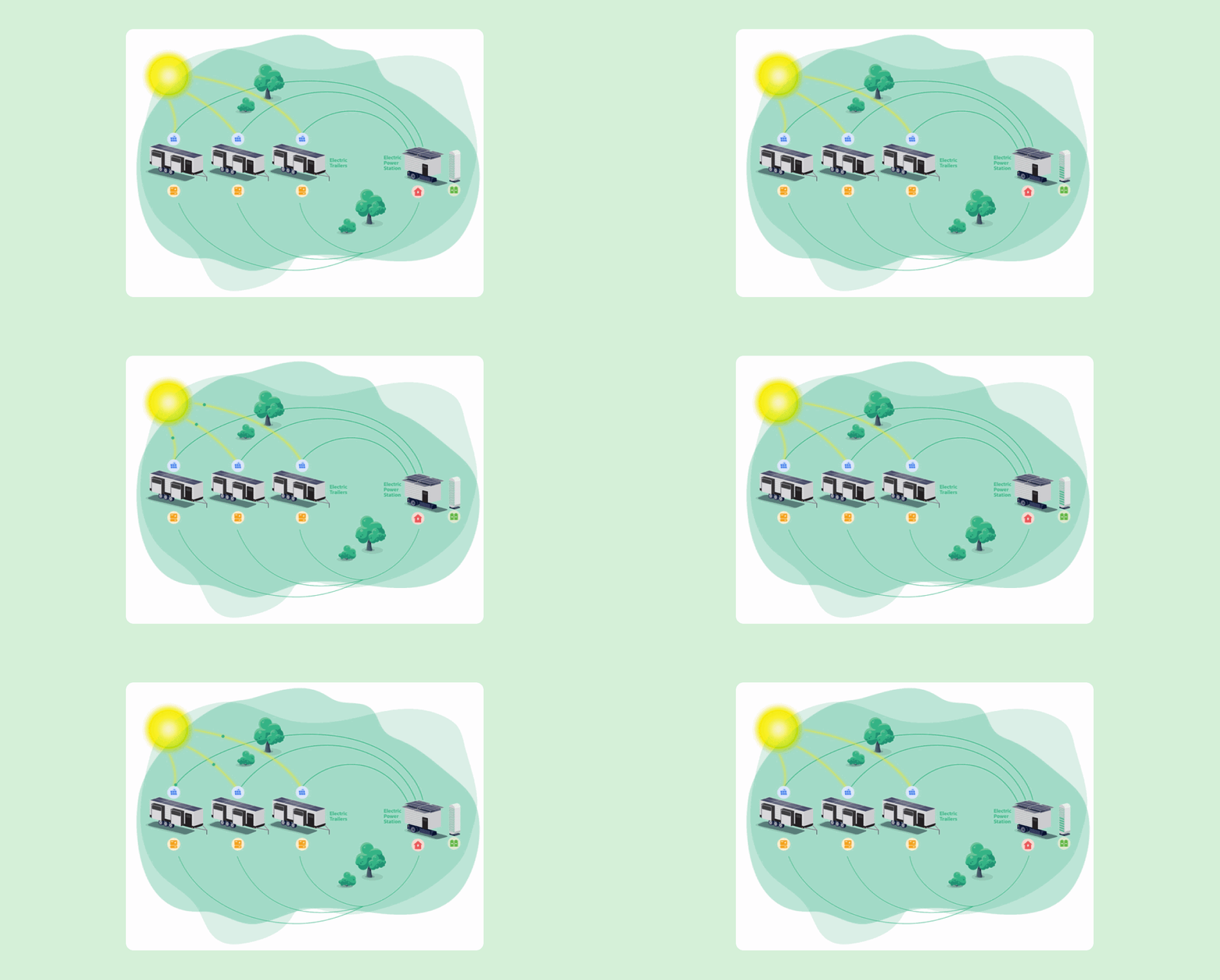
The most carbon-intensive part of a set is the diesel from generators and vehicles, so swapping traditional diesel generators for a Solar Ring ® system—a network of trailers topped with solar panels that feed into a central electric power station—can help enable teams to minimize carbon emissions by powering basecamp with sunlight, even at night.