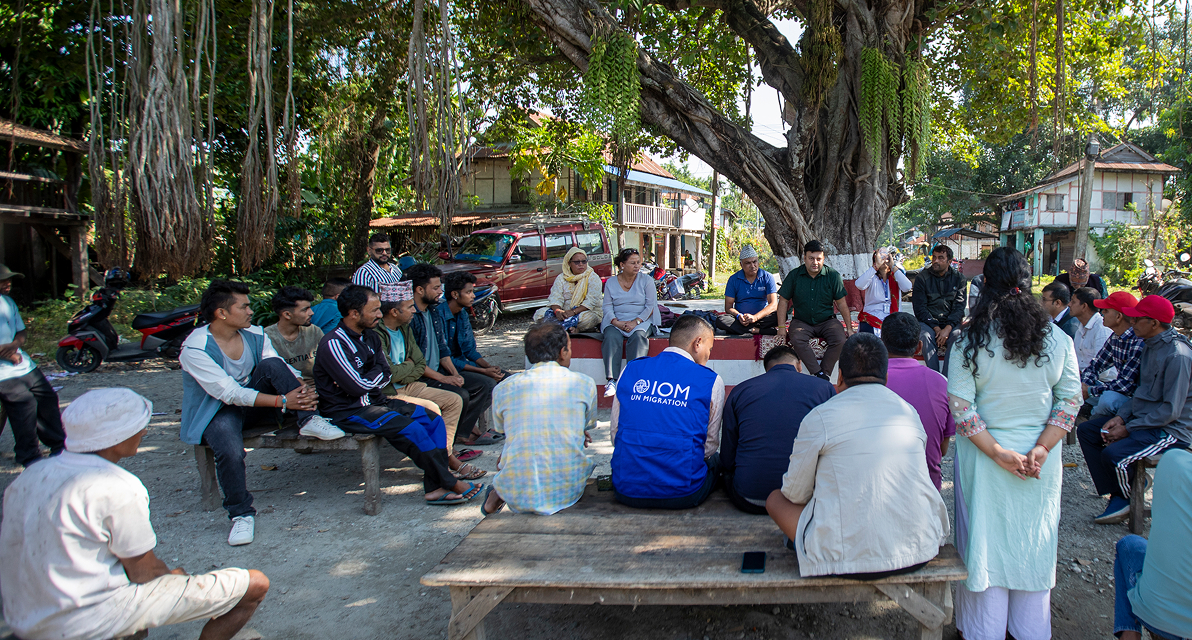
Amazon and the International Organization for Migration (IOM) are working together in Nepal to strengthen responsible recruitment and support safer migration.
Key Takeaways:
- Amazon and IOM are collaborating in Nepal to protect migrant workers from exploitation risks by intervening before they leave home.
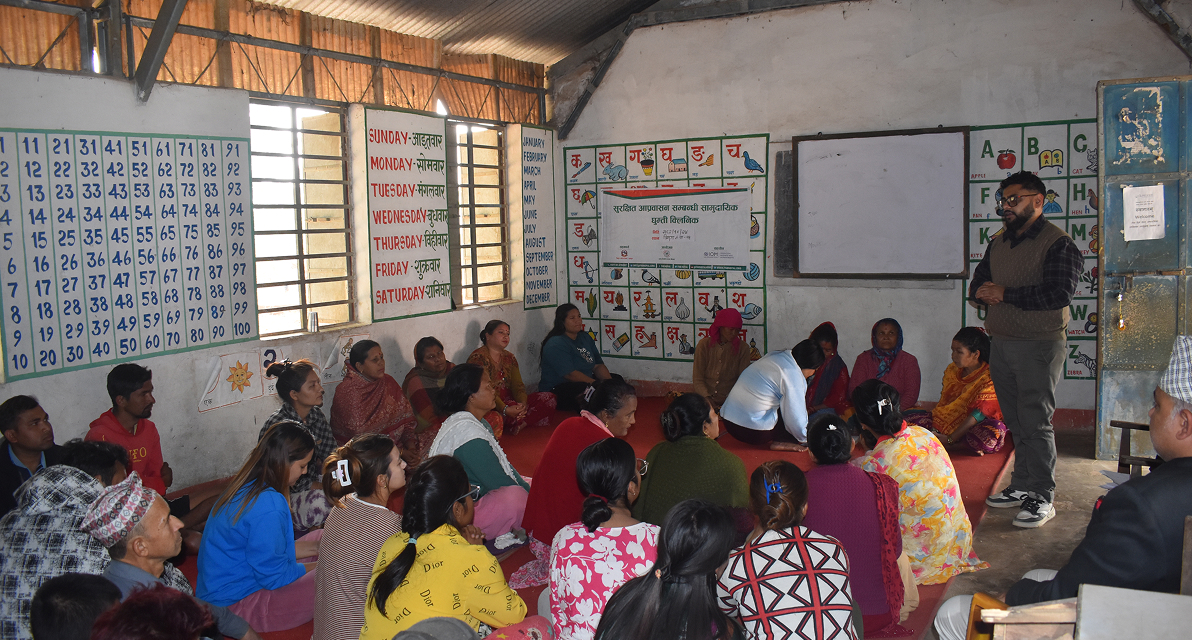
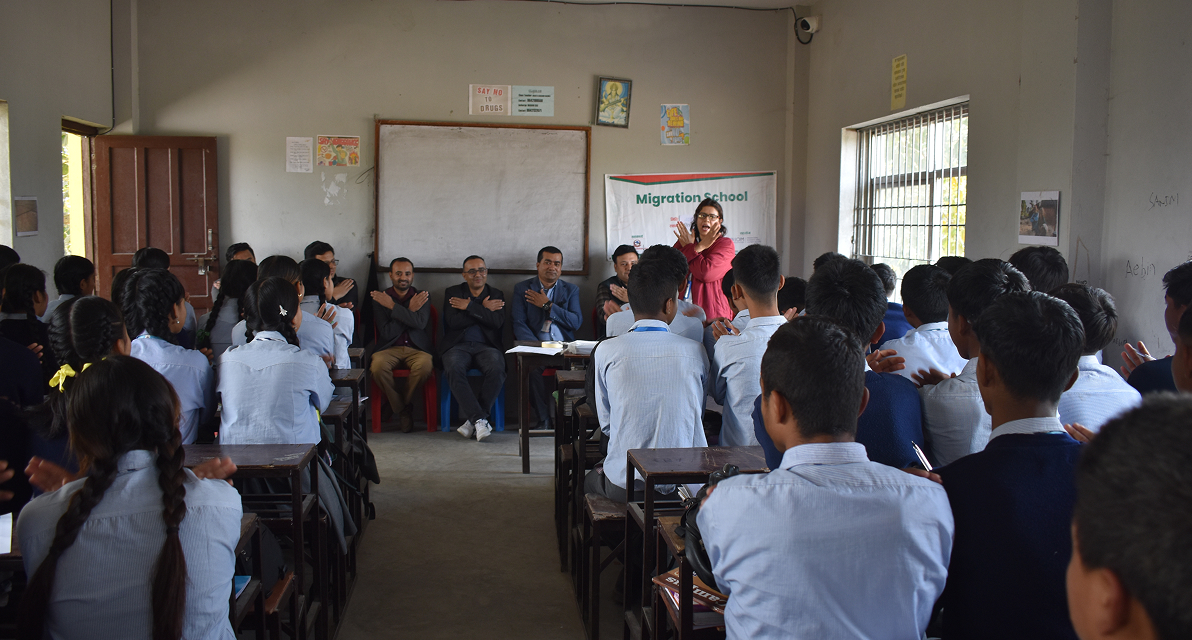
- In 2025 and 2026, the initiative reached over 3,700 people through dozens of community activities.
- Assessments showed that labor trafficking awareness among participants increased significantly, from 76% to 90%.
- Amazon is supporting IOM to develop a data hub designed to connect fragmented data across labor migration corridors as part of the World Economic Forum's Global Data Partnership Against Forced Labour.
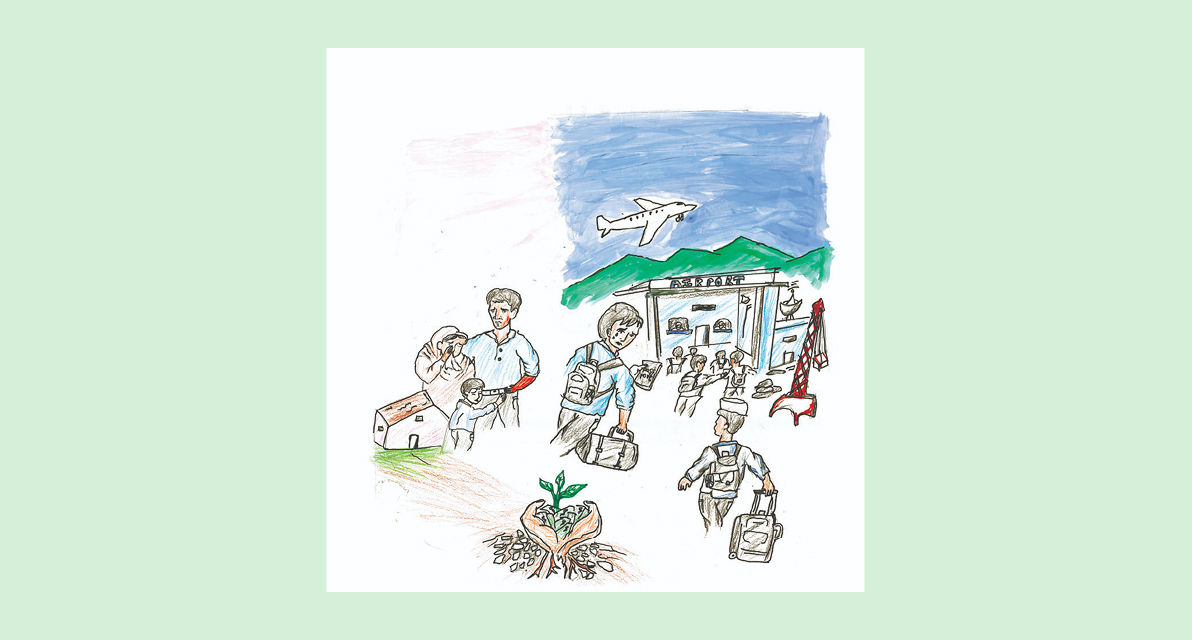
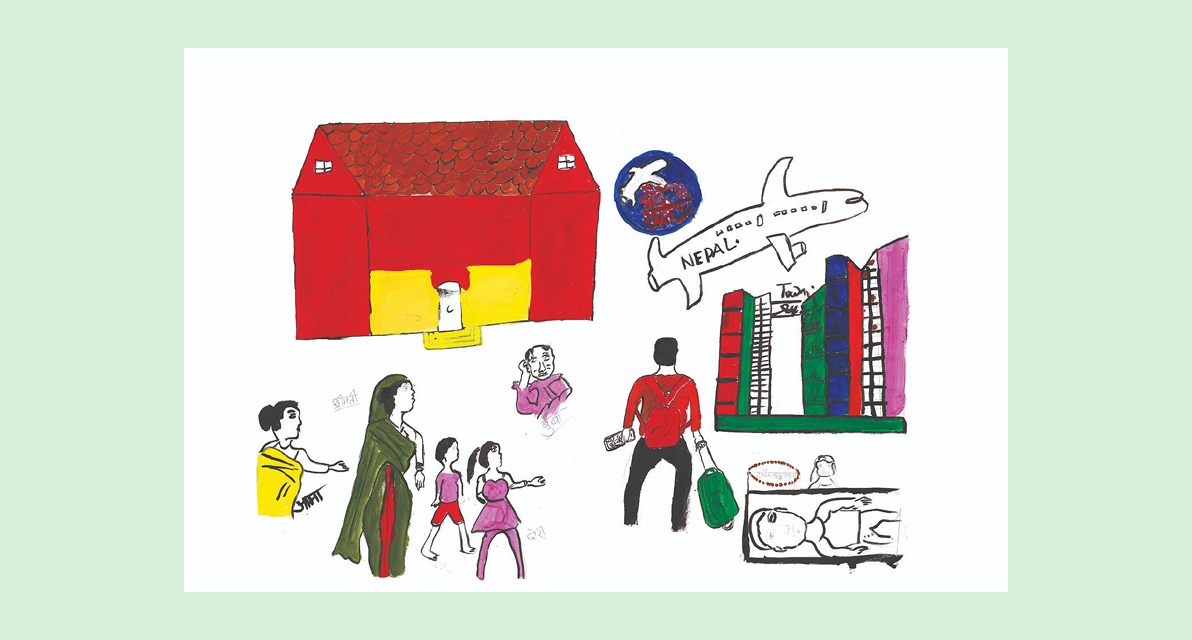
Millions of people leave their home countries every year in search of work, hoping to build a better future. For many, migration creates life-changing opportunities. But for others, the journey begins with deception. A misleading job offer. A recruiter charging steep fees to obtain a job. A promise that doesn't reflect reality in the new country.
Forced labor has grown into a multi-billion dollar business that profits off human exploitation. Migrant workers are three times more likely to experience forced labor than non-migrant workers, trapped in debt bondage before their jobs even start. This World Day Against Trafficking in Persons, Amazon is highlighting our collaboration with IOM to help workers considering migrating from Nepal to countries in the Gulf Cooperation Council—Bahrain, Kuwait, Oman, Qatar, Saudi Arabia, and the United Arab Emirates—make more informed decisions.
Launched in 2025, as part of Amazon and IOM’s global collaboration on promoting migrant worker rights and preventing forced labor in supply chains, this initiative brings together governments, civil society, recruiters, worker organizations and businesses to strengthen ethical recruitment practices and support safer migration. It also aligns with Nepal’s National Action Plan on Business and Human Rights, demonstrating how private-sector engagement can support government-led human rights commitments.