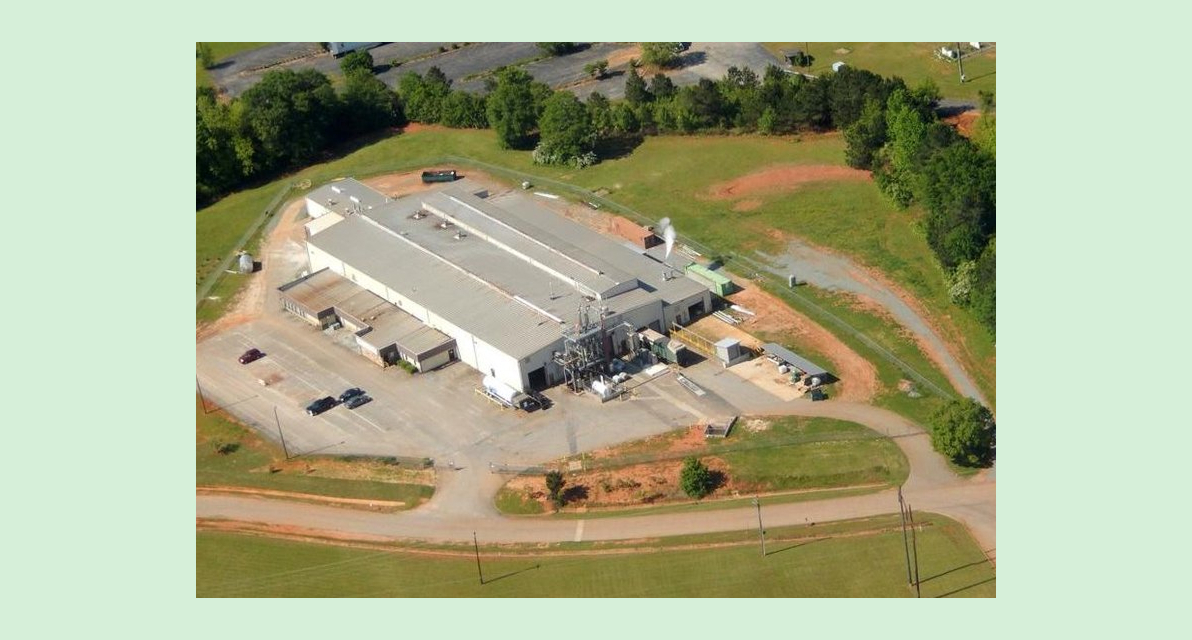
GranBio's technology transforms forest and construction waste into lower-carbon fuel, helping reduce emissions in some of the most challenging sectors.
For decades, discarded wood from logging operations and building sites has gone to waste. GranBio is working to change that. Its advanced biomass technology converts forestry residues and construction debris into lower-carbon fuels, targeting hard-to-abate sectors like aviation and long-haul trucking. Amazon is supporting this innovative solution, helping fund GranBio's work to deliver a low-cost commercial solution for sustainable aviation fuel (SAF) production from these wastes.
How the technology works
The technology makes SAF and other biobased fuels from waste materials such as leftover branches from forestry operations, crop stalks, and construction debris like discarded pallets and plywood. These materials are abundant across the United States and usually go unused, piling up in landfills or acting as kindling for wildfires.
To transform this waste, the woody biomass is broken down to unlock the carbon stored in the plant fiber. That material is then synthesized into fuel molecules, the same kind of molecule found in petroleum diesel, gasoline, and jet fuel. The process also produces a byproduct that generates heat for the facility itself, reducing external energy inputs. The end products are drop-in renewable diesel, renewable gasoline, and sustainable aviation fuel that are chemically identical to their conventional equivalents and compatible with the same engines and infrastructure, enabling lower-carbon solutions for both aviation and ground transportation, including long-haul trucking.