Backed by Amazon’s Climate Pledge Fund, Molg is building a circular alternative to electronic waste.
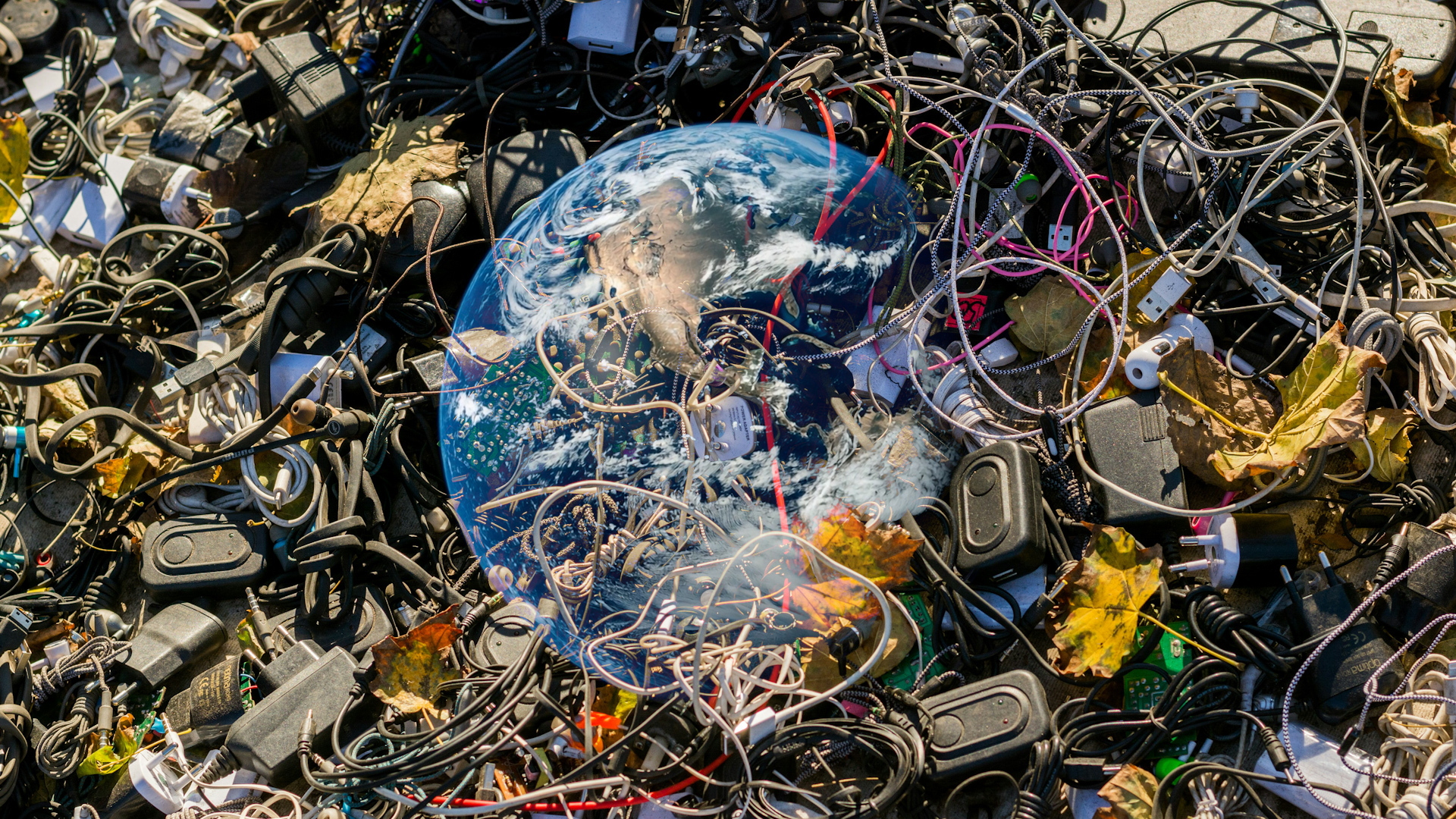
Every circuit board, battery, and chip contains rare minerals like lithium, copper, and gold, making electronics both energy- and resource-intensive. How we design, disassemble, and reuse items like telephones, computers, and televisions are critical steps in helping to reduce the carbon emissions associated with their production. Approximately 62 million metric tons of e-waste was generated in 2022, according to the United Nations, but only about a quarter of it was recycled. And it’s the world’s fastest-growing waste stream, projected to grow to approximately 82 million metric tons by 2030. This waste could contain minerals and precious metals that could be recovered and reused for next-generation devices.
With support from Amazon’s Climate Pledge Fund, Molg is proving how fast, circular innovation in electronics can shape entire supply chains. And the company is tackling both sides of the problem: AI-powered robotics that autonomously process complex electronics like servers, laptops, and batteries; and computational design tools that make devices easier to assemble, take apart, and reuse. The long-term vision is straightforward: make circular manufacturing a standard toolset wherever electronics are made, repaired, or decommissioned, so the default process shifts from linear to circular. As founder Rob Lawson-Shanks said, “one product’s end is another’s new beginning."
Learn more about Molg here.
Sign up for our monthly newsletter to get Amazon sustainability updates sent directly to your inbox.